When clients talk business planning and facilities, growth and ROI dominate the discussion. In today’s climate, achieving these goals might seem daunting—but it’s entirely possible. Here’s how.
The challenges arise from inflation-driven expense increases on everything from food and beverage to energy, wages, and interest rates. Our clients have had to raise ticket and menu prices, deal with staffing shortages, and face supply chain issues. Meanwhile, consumers are constantly demanding a better experience for their ‘night-out’, which needs to remain affordable and appealing to families, couples, and groups of friends.
So, what happens next? Slow, well-thought-out, deliberate planning for development spending to enhance the experience of the typical ‘night-out’.
More choices means more customers. This is what has been driving the entertainment industry of late for all kinds of reasons. Those choices come in the form of amenities, alternatives, and attractions.
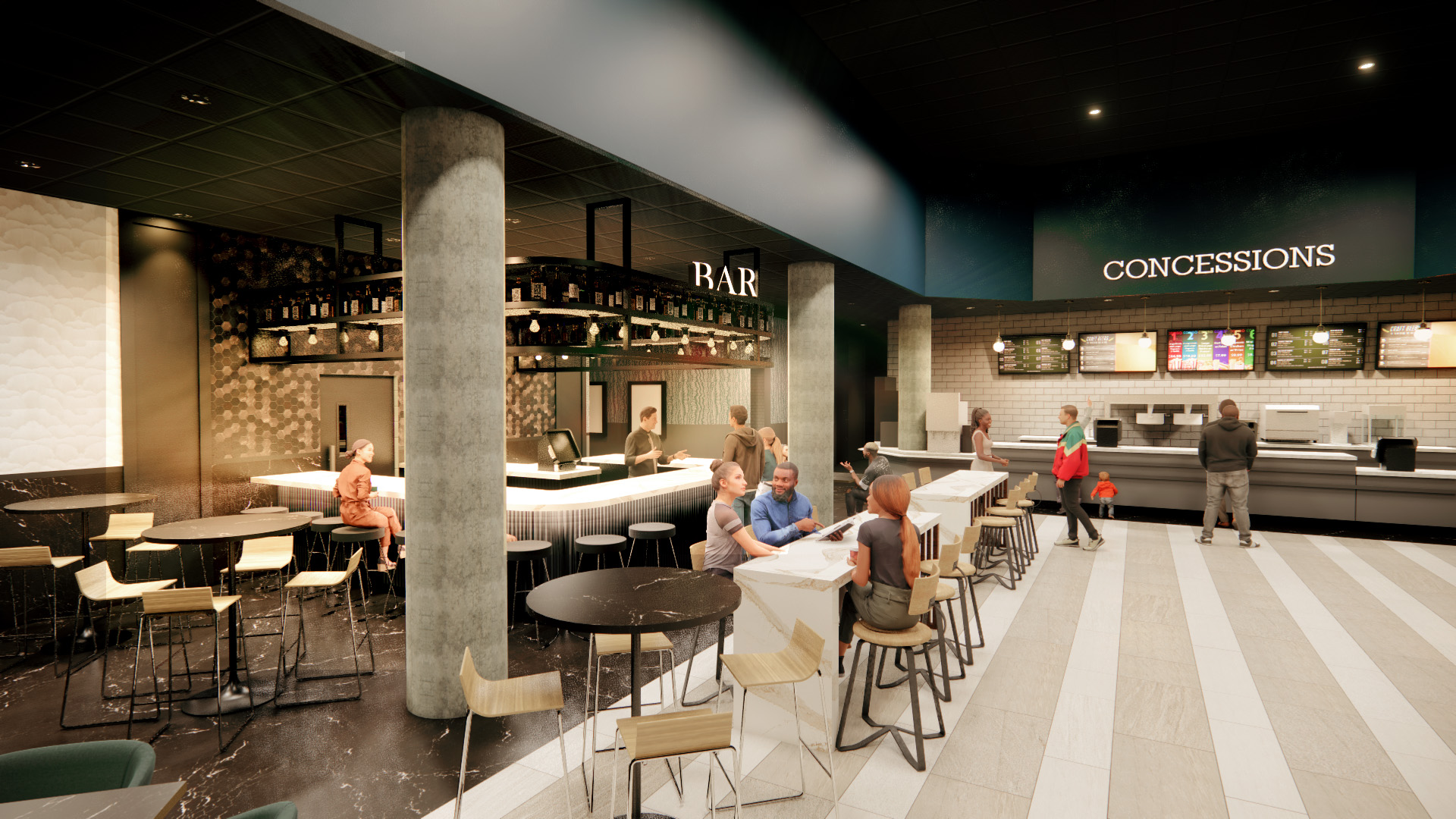
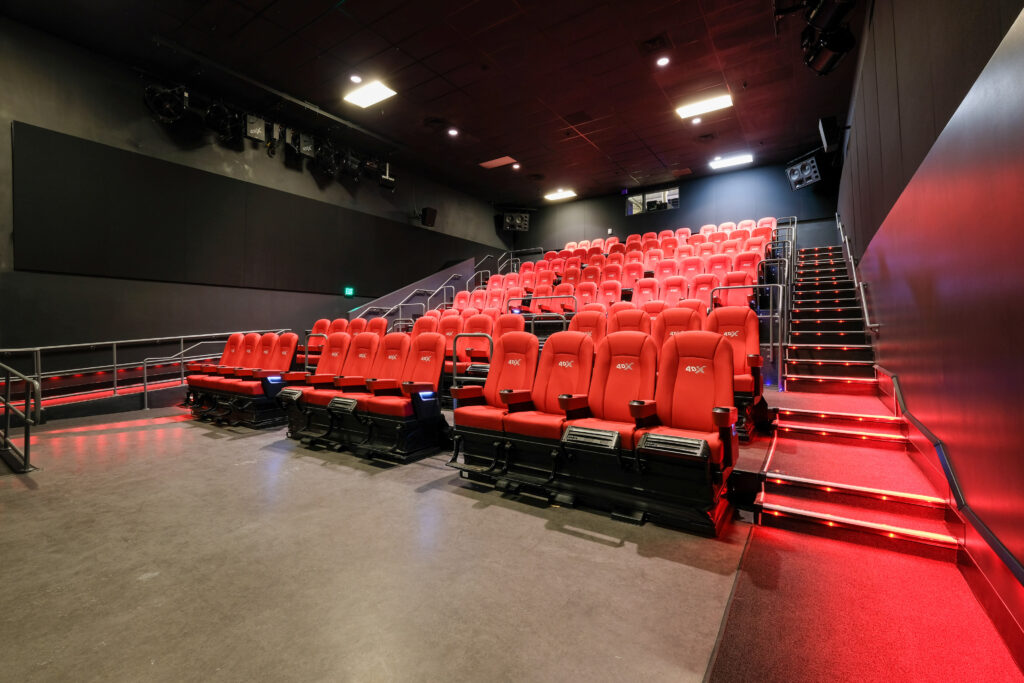
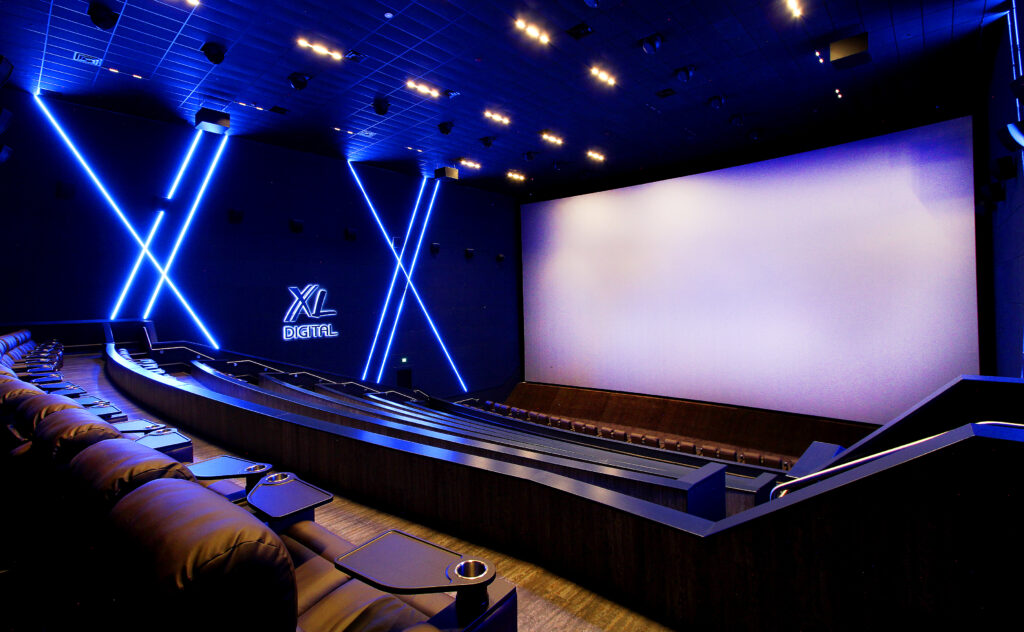
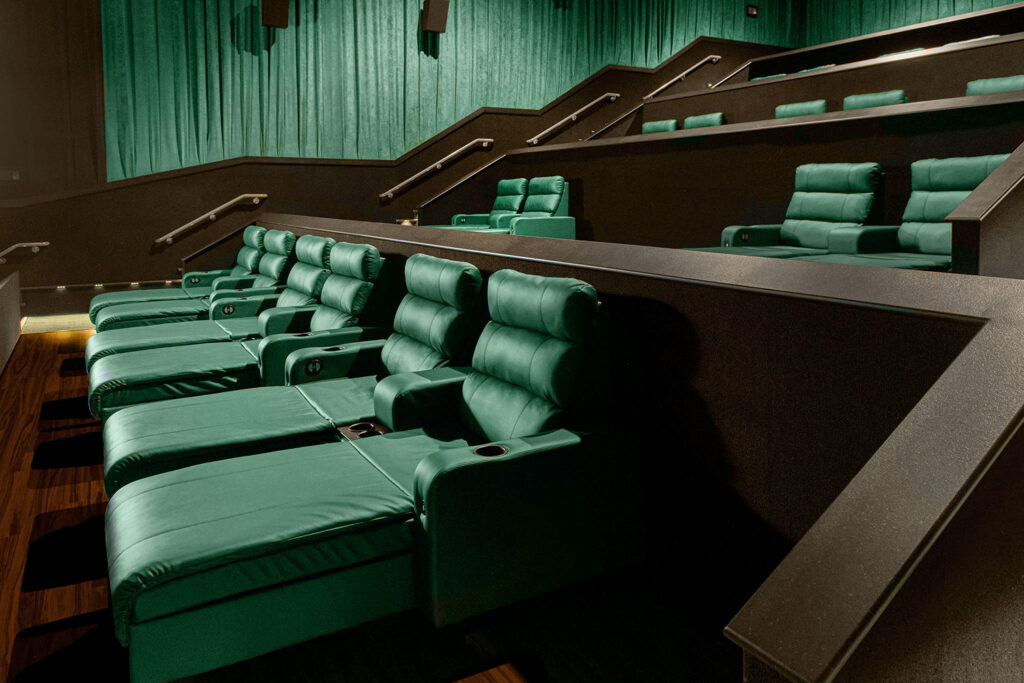
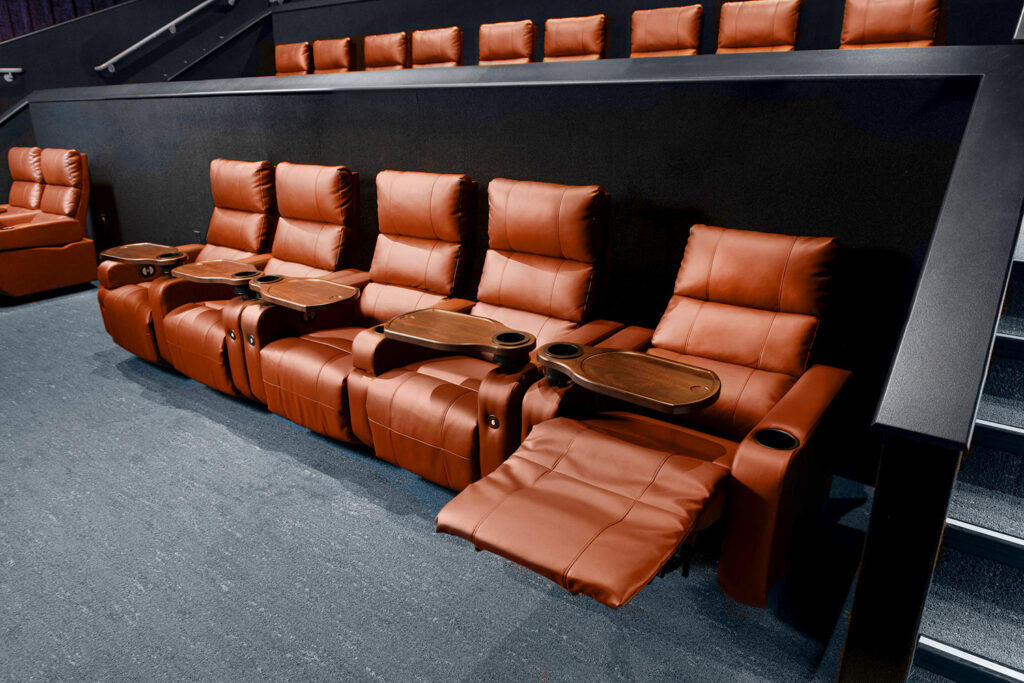
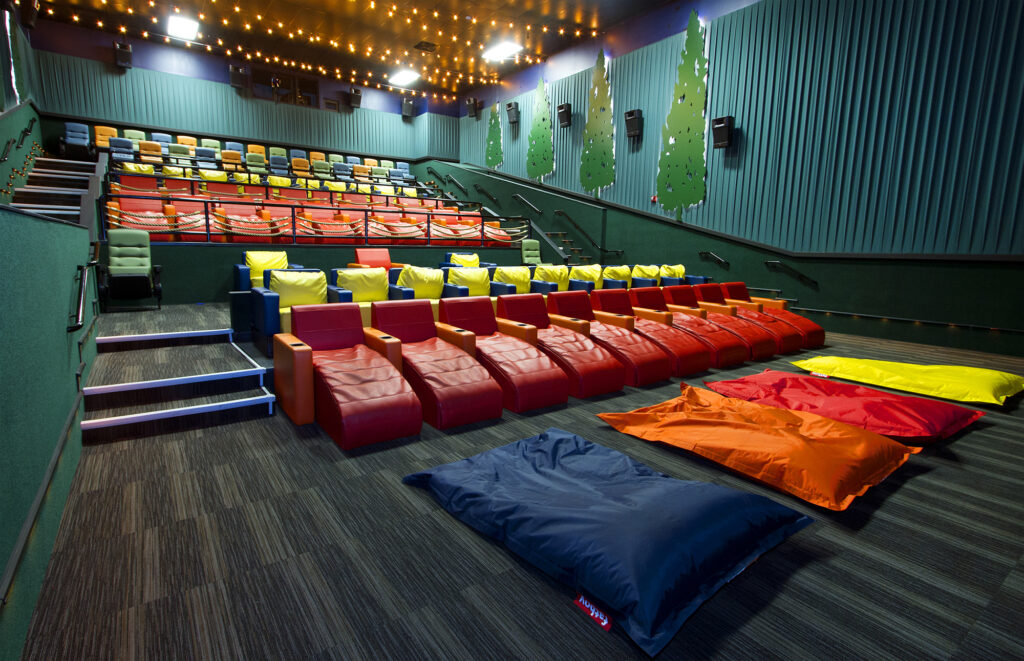
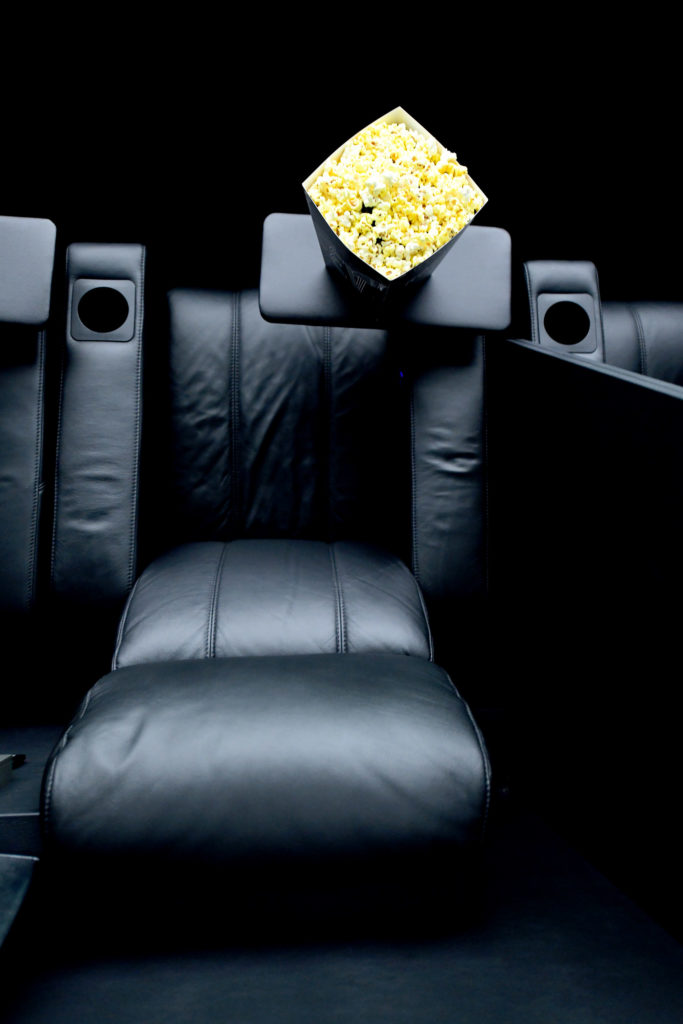
For the past decade, our cinema clients have been redefining the movie-going experience. They have introduced amenities like recliner chairs, VIP settings, premium large format screens and sound, 3D, 4D, dine-in, and more. We’ve also seen alternatives like expanded menus, alcohol bars, sports and music viewing, coffee, seating and Wi-Fi.
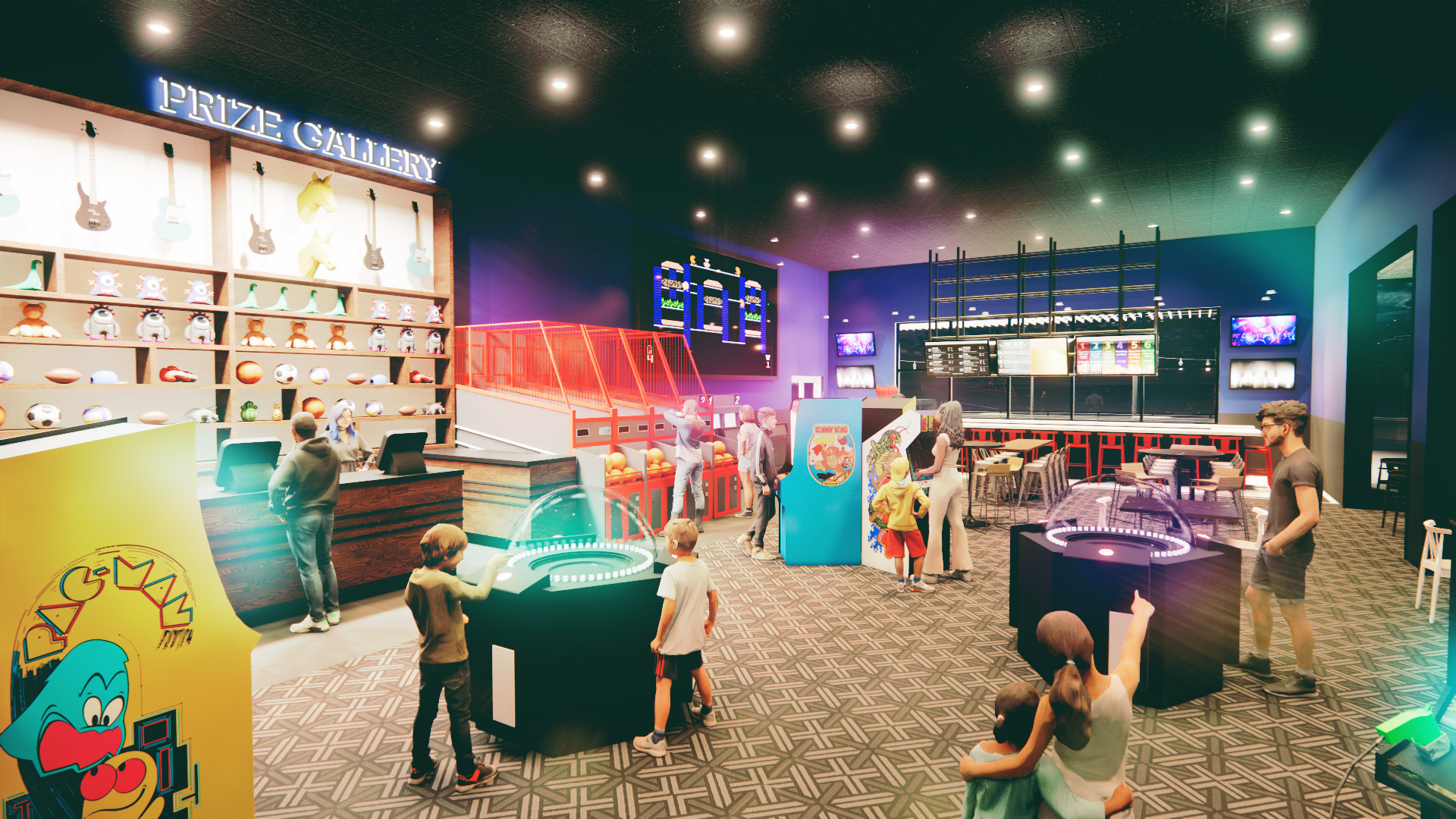
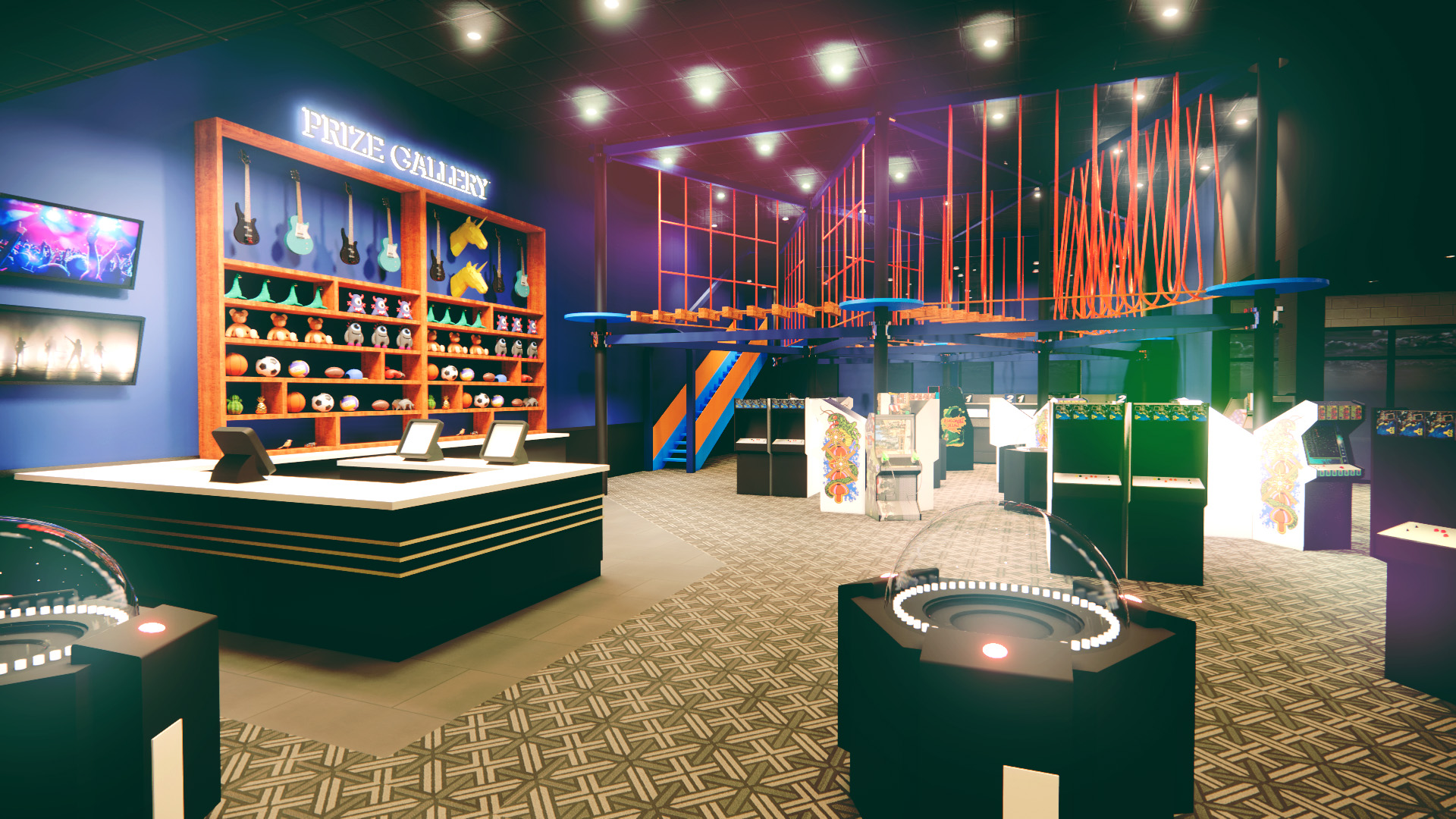
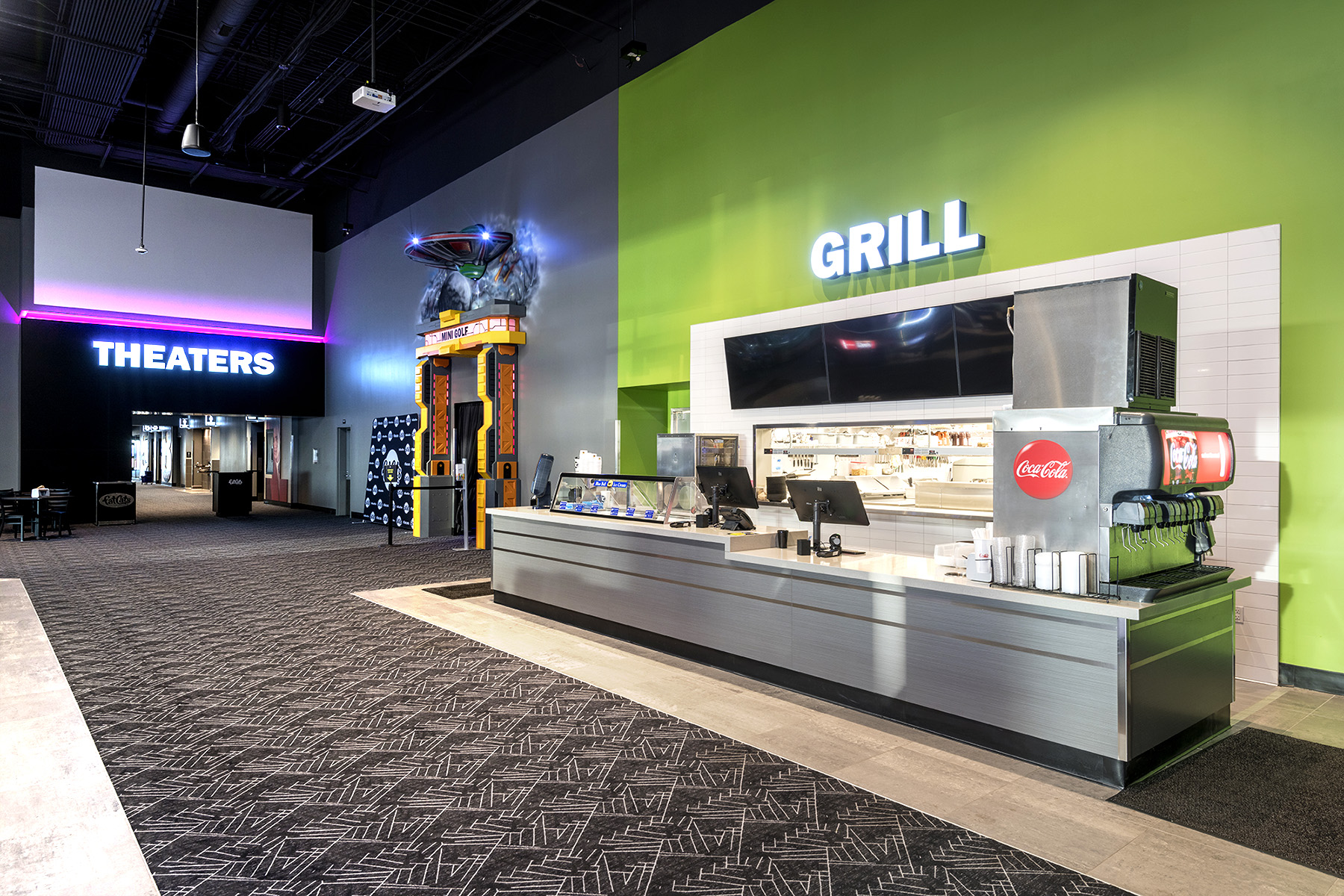
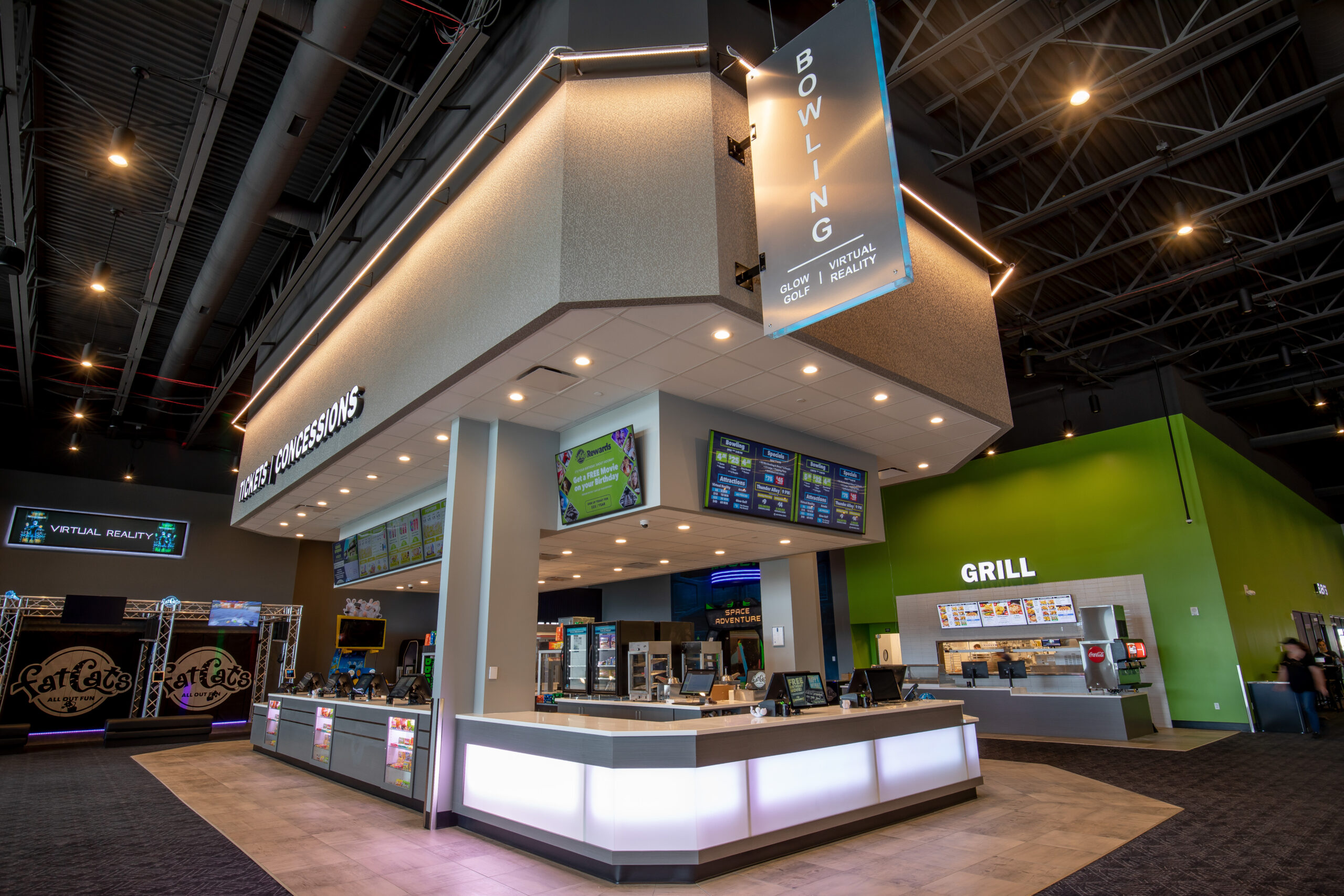
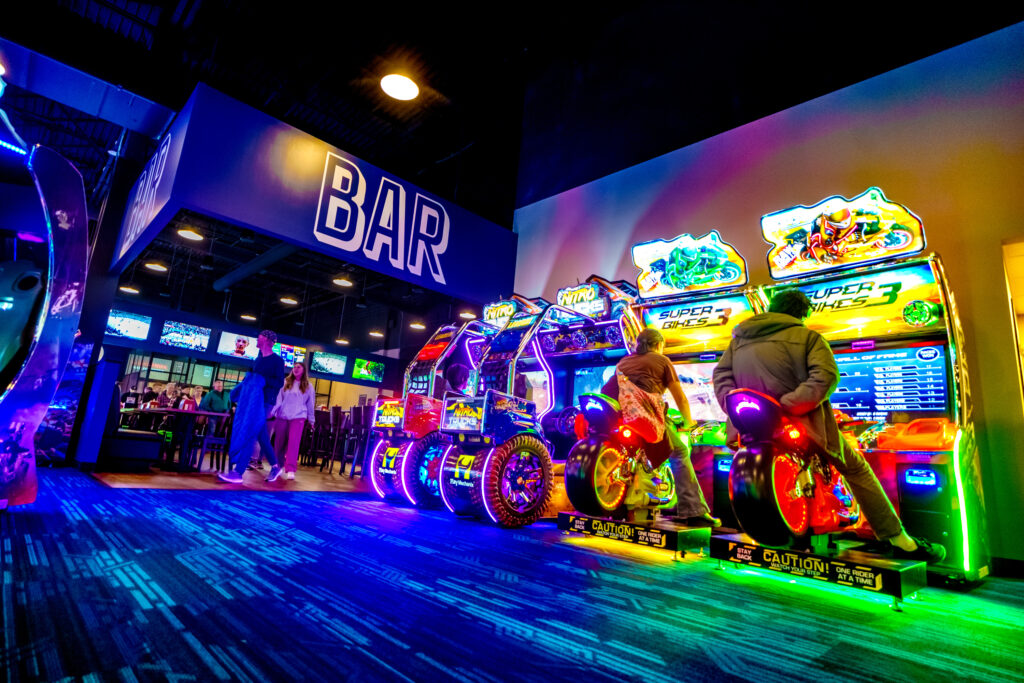
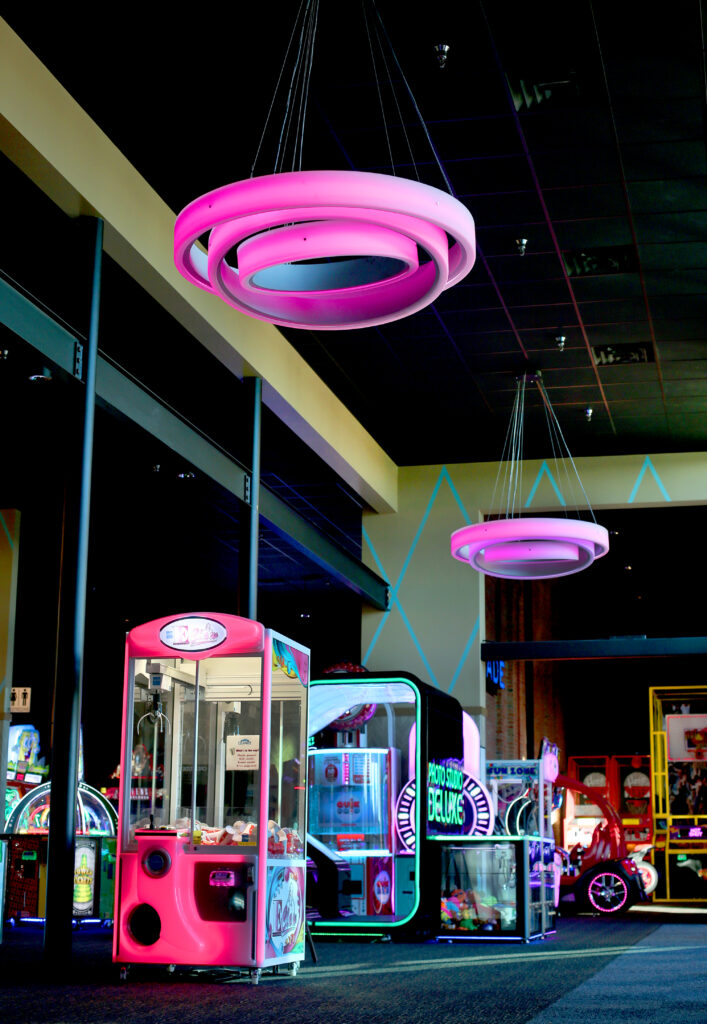
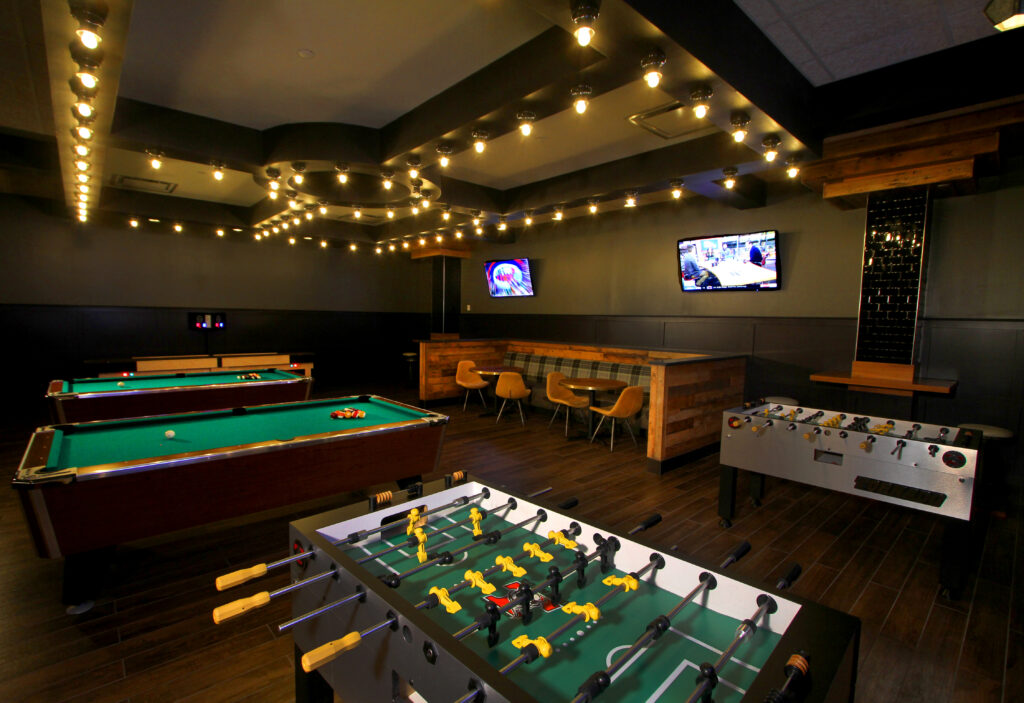
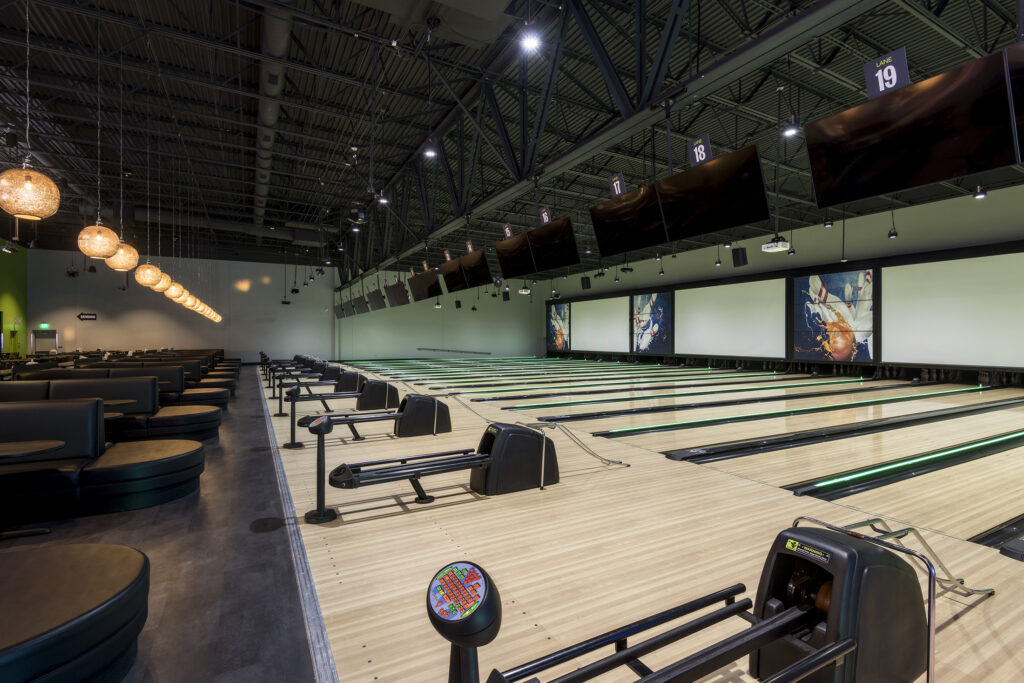
And most recently we’ve seen the integration of entertainment attractions such as arcades and redemption, bowling, laser tag, darts and billiards, axe throwing, golf simulators, event spaces, and more.
What we do
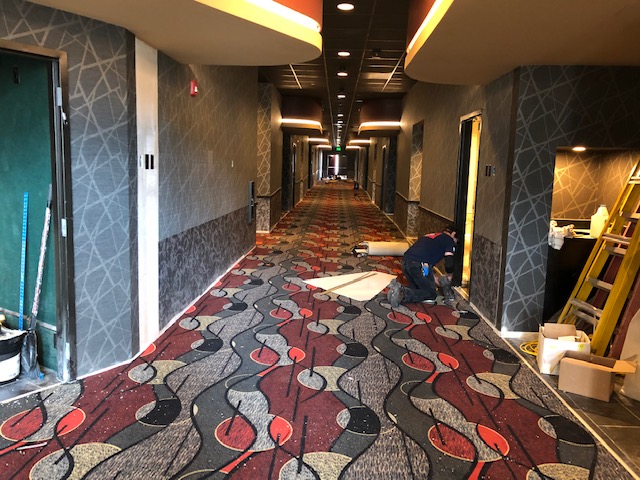
Our role is to seamlessly harmonize the market-driven attractions into an exciting and organized operation for our clients. We focus on functional layout design to maximize every square foot, incorporating profitable attractions quickly and efficiently…
And enhance the experience…
And reinvent your brand…
And do it all cost-effectively.
It is easy to erase a wall on a sheet of paper, but every bit of demo has a cost to remove and replace, not to mention any interior design feature, or any impending structural, mechanical, electrical or plumbing modifications.
In the end, experience wins the day.
It’s our experience that leads us to tailor solutions for each unique client. The positive outcomes? A boost in attendance and cash flow. Achieving this can be made smoother with thoughtful design.
Ready to enhance your business with effective design solutions? Lets connect and pave the way for your success together!
The last round of cinema transformations revolved around the experience. Many customers took the position that the in-home technology available allowed them to re-create cinema picture and sound in the convenience of their home with the familiarity off their comfy chair.
Exhibition responded:
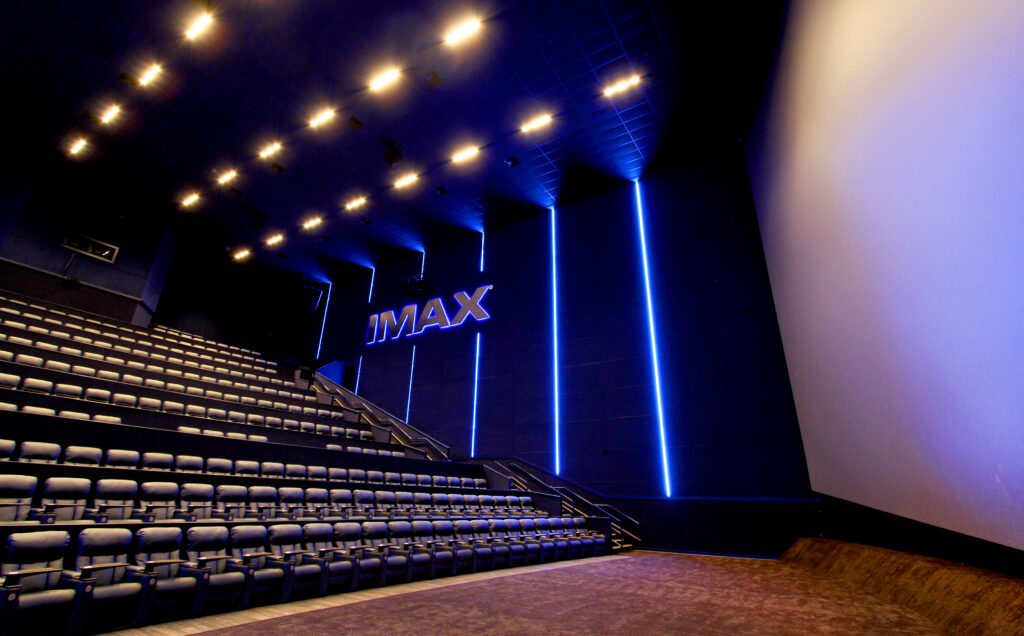
Branded Premium Large Format auditoriums with giant screens unachievable at home
3D immersive sound
Power reclining seats for comfort
Multiple choices to view movies:
PLF
Screen X
4DX, D-Box, MX4D
VIP
Dine-in
Groups
Since Then
The pandemic caused the cinema industry to halt due to disrupted film production and the shutdown of exhibition. Furthermore, known threats to the industry worsened. The options to stream film at home have become wider and easier. The theatrical ‘window’ discussion intensified to the point of eliminating it completely.
Over the years exhibitors have become accustomed to threats, so some self-examination was warranted. Questions to be answered:
How can we diversify revenue sources beyond Hollywood and become less dependent on them?
Are there too many screens for the content being released?
How can we generate higher revenue from under-utilized space?
What’s Next
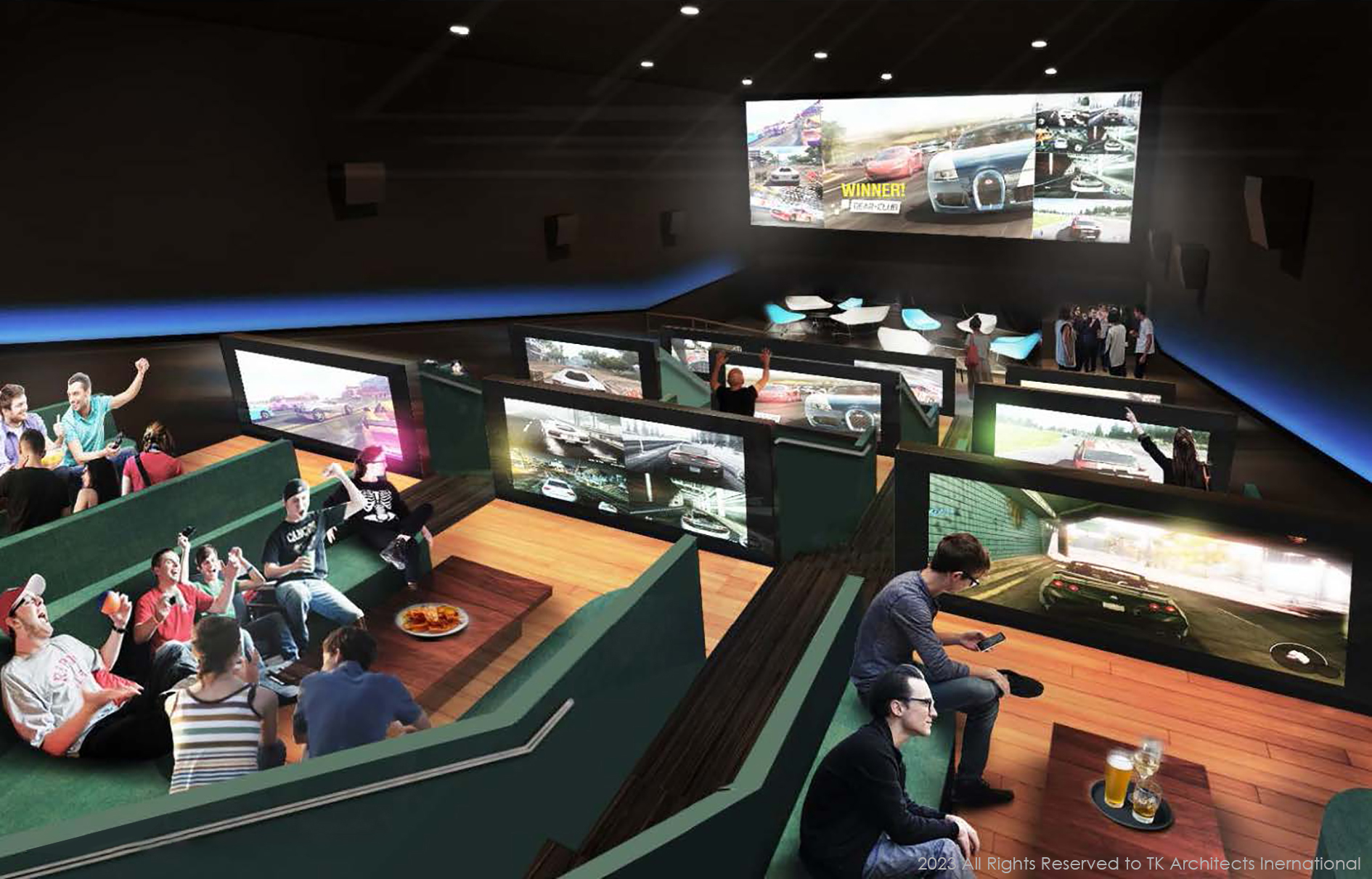
The cinema business model as we know it could become obsolete. Cinema is not going away it is just evolving into something new. Entertainment Centers are quickly becoming the next big thing. Consider an FEC where cinema is a key attraction alongside bowling, arcade / redemption, axe throwing, laser tag, etc. Diverse revenue streams are established for year-round, all-day business.
Stay longer
Adult focus AND family focus
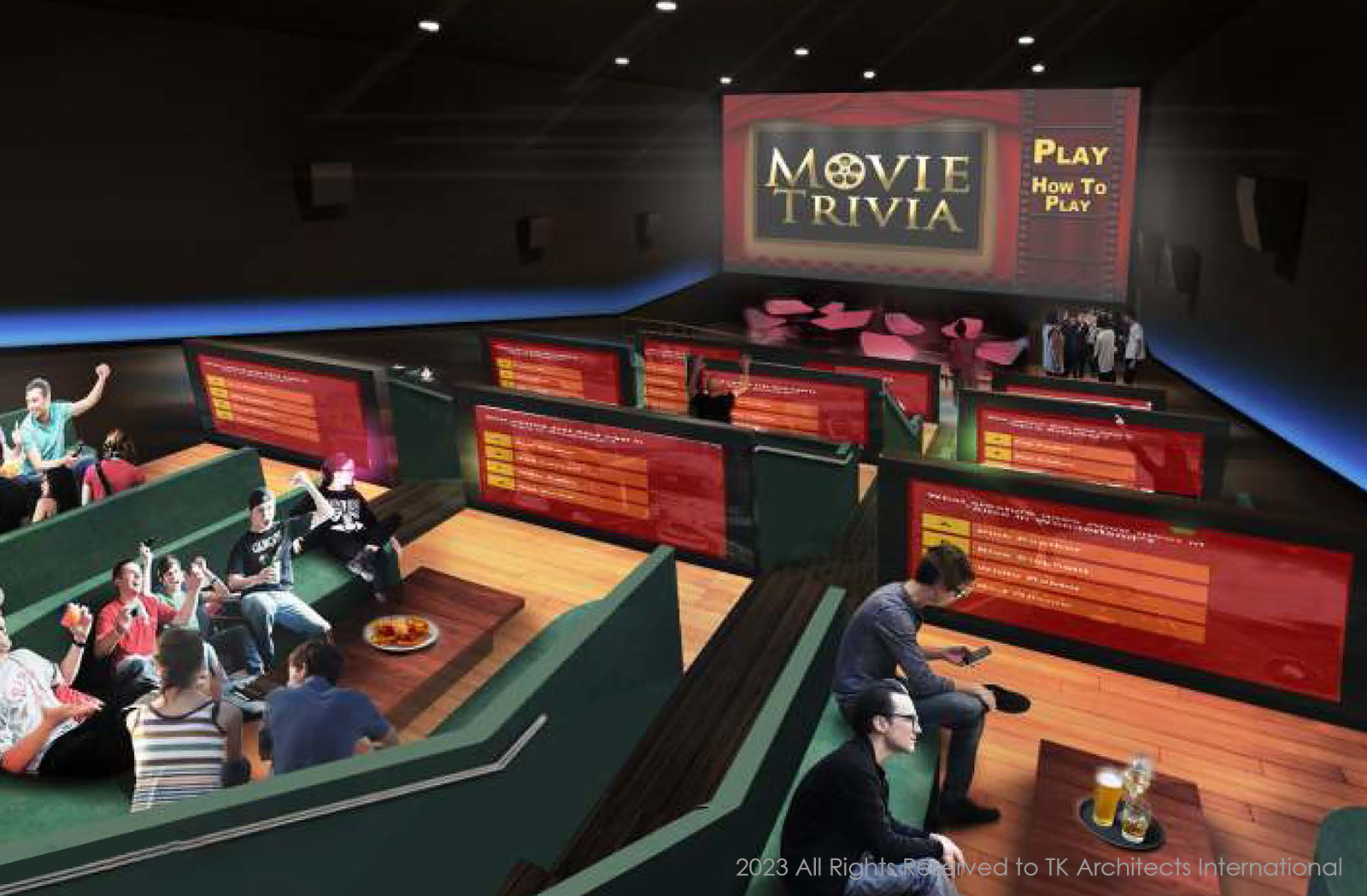
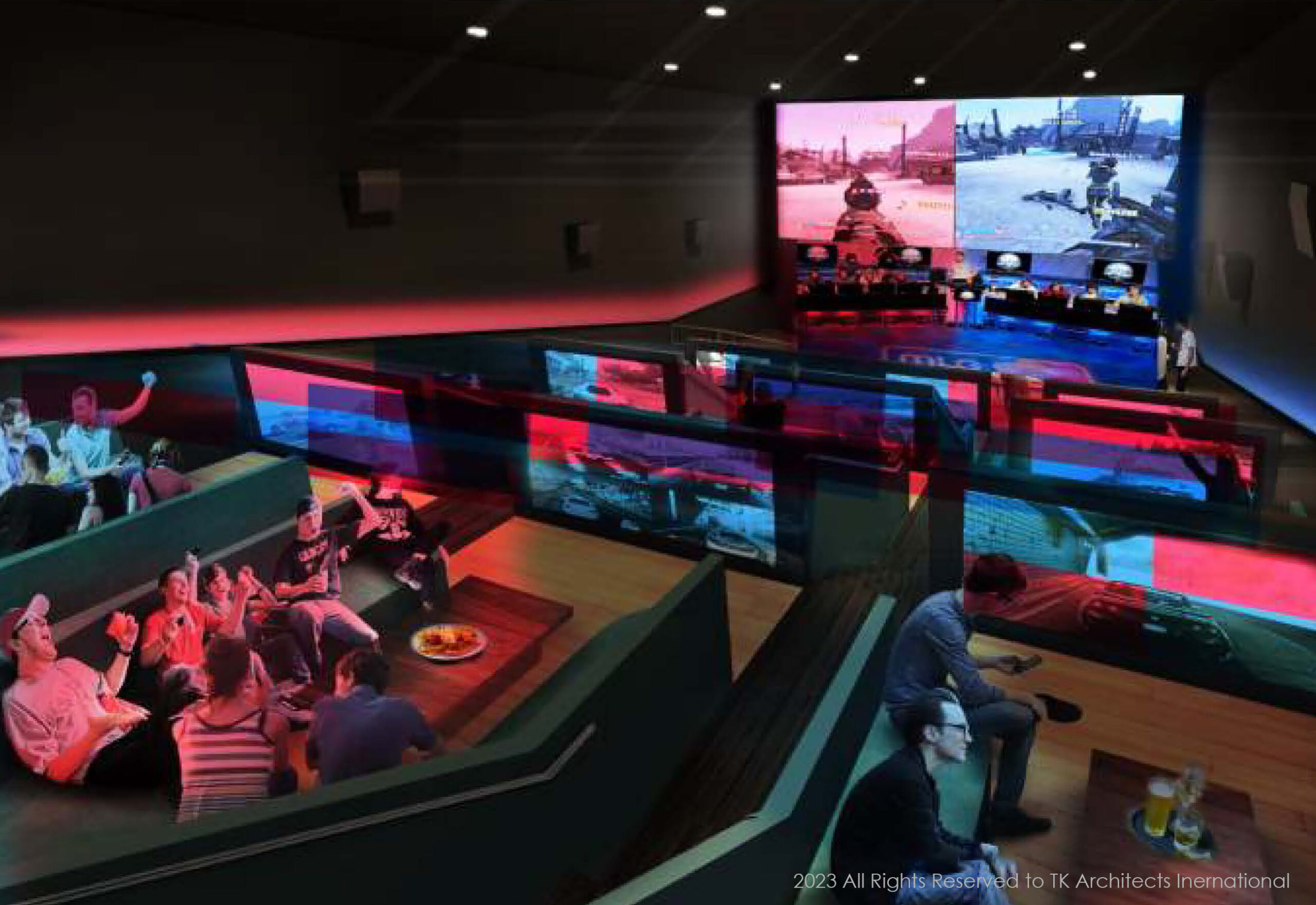
Gaming, competition focus
Competitive Socializing
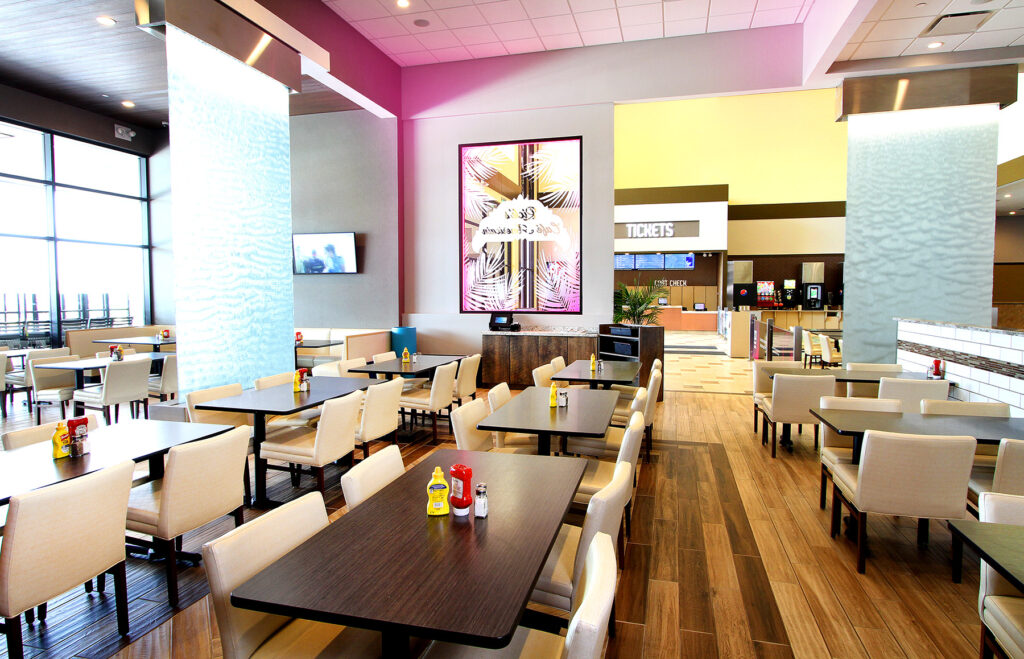
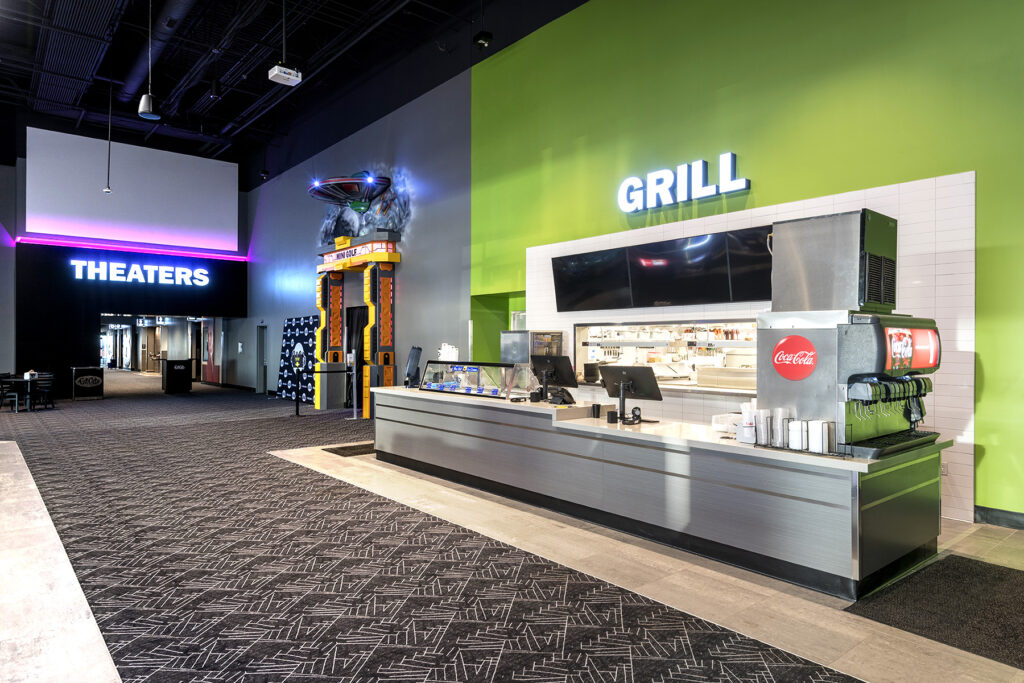
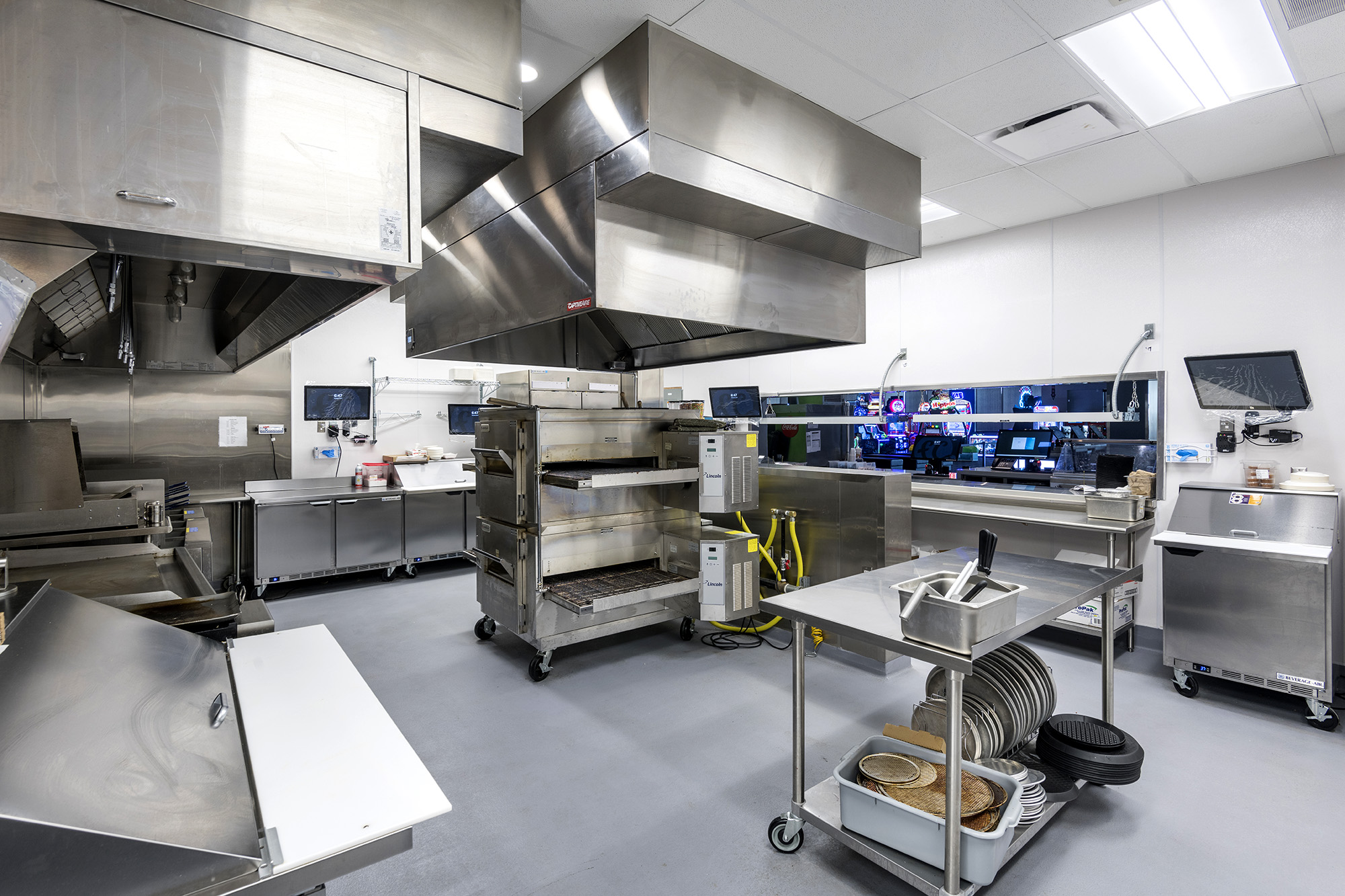
Even more F&B! Many existing cinema properties already have the F&B infrastructure
Challenges / Opportunities you run into…
Existing cinema facilities come in all shapes and sizes and markets dictate attractions, ROI, construction cost, etc. However, there are some things you can always count on:
Advantages
Square footage and volume available
Toilet rooms in place
Potential for exterior yard space
Structural Considerations
Demising Walls
i. Many demising walls are non-load bearing metal stud and gypsum board walls with a few structural steel columns. In these cases, very large openings can be made or the entire wall can be removed.
ii. If a demising wall is structural, or made of concrete block for example, deliberate, small linteled openings for visibility can be made
Stadium Seating
i. Built up stadium seating is mostly non-load bearing metal studs, geofoam or steel stringers and can be removed completely
ii. Multiple floor elevations below grade can be leveled with geofoam and concrete
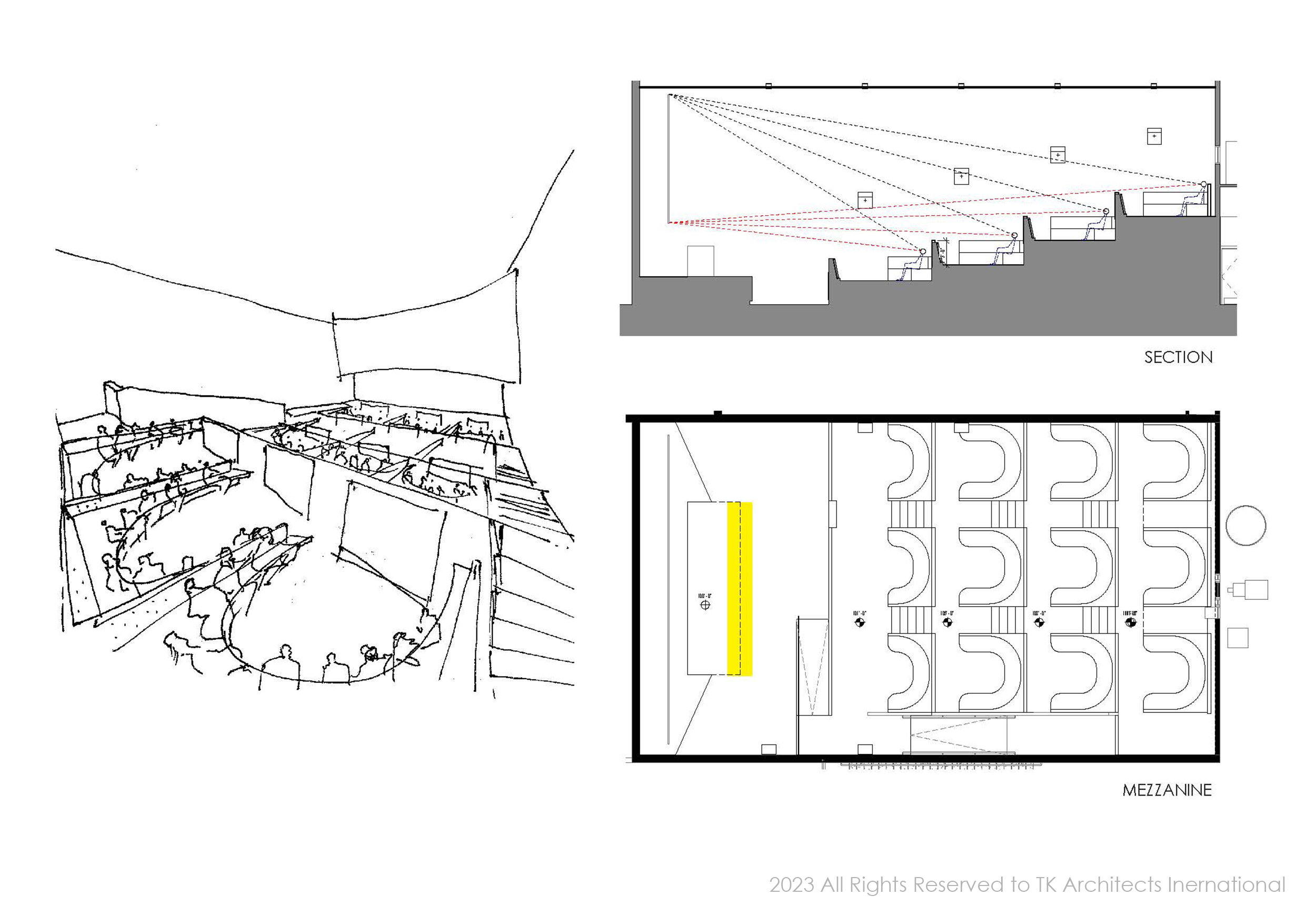
Projection booth mezzanine can remain or can be repurposed
Design and Construction Decisions
The facility is an Assembly Occupancy, and therefore we are dealing with the movement of large groups of people. The design solution will be based on your specific market, existing conditions and:
Customer Circulation
Safe exiting
Minimal crossover
Accessibility for customers with disabilities
Staff Circulation
Labor consolidation
Fat Cats – AR Mays
Corporate Photography by Mark Skalny
1-888-658-3686
www.markskalnyphotography.com
Phased Construction
Stay open
Consider sarting with converting a small auditorium
You can visualize how closing an auditorium (or 2 or 3) will not be cause for business stoppage
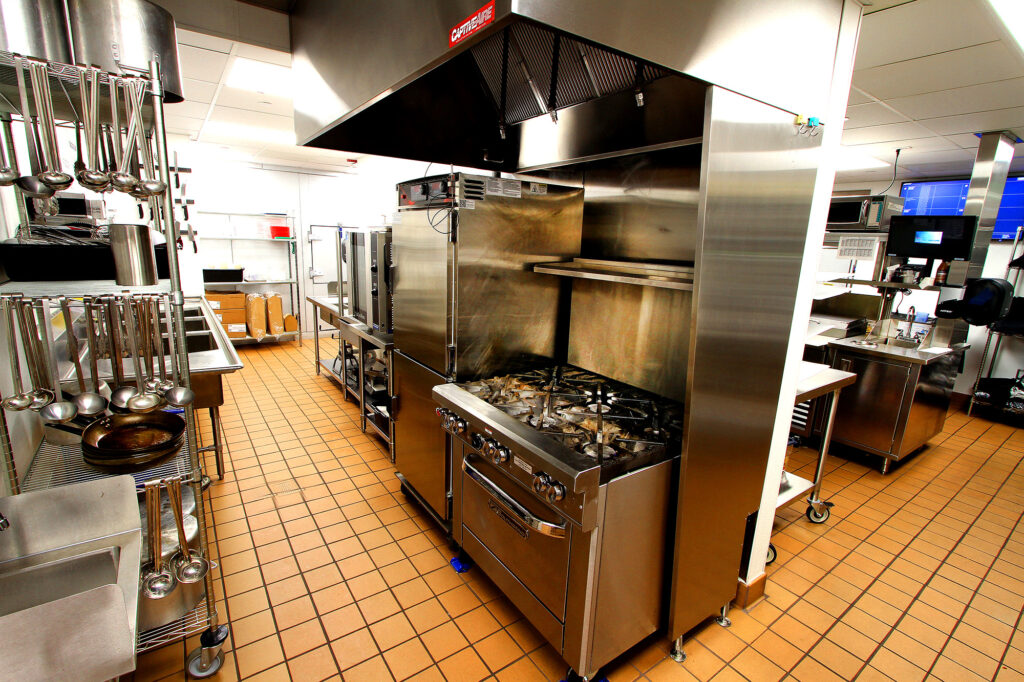
Consider expanded F&B which is a high revenue generator
Bar
Kitchen
Seating
Adjacency to existing kitchen utilities
Consider arcade games and redemption which are a high revenue generator
Create gathering space
FFE for attractions
Equipment for kitchen and bar
Utility connections
Phased investment
New phase after ROI achieved
Movie going habits have changed and cinemas are changing in response. Streaming movies has been a failure and there is a full flow of wide releases this year. The writer’s and actor’s strikes could impact movie going down the road. Now is the time to consider converting your facility to preserve and increase your revenue, and to combat future threats to exhibition.
This pandemic has felt like a vice with constant pressure coming from so many directions…. Business decisions including employees and rent… keeping people safe… remote working… remote learning…. It feels like as soon as one issue is worked out, the situation changes and we are back to square 1. Sometimes you just need to take a deep breath, maybe do yoga… or, what about creating something from nothing with good design.
In our business, there is always the need to create an experience to bring customers back. We are living in a time where a lot of us are experiencing new things as we work our way through these tough times and ‘getting back’ is something that we all have been waiting for. Some of us are just looking for a sense of direction. We are hoping we can provide a little direction. In today’s blog, we are talking about Signage and Wayfinding. Most of our projects rely on a strong emphasis on graphics to enhance the guest experience.
The goal is to impact the experience beyond just the functional aspects of the customer journey. For example, to engage the customer, we might think about connecting the client brand with the community that the facility exists in. There could also be the idea of visually telling a story of a place through murals, wall graphics, art, wall hangings, sculpture, etc. This gesture works to foster the project as an important part of the community. In fact, oftentimes it is an opportunity to uncover stories of a community that can be expressed and celebrated.
Regal West Oaks concession Mural in the Energy corridor of Houston.
The graphics and interior design should always support the overall design narrative of a project. Visual elements are strategically placed to immerse customers providing a visual cue that could be welcoming, directional, or even a selfie opportunity!
New technologies are available to assist the designer. Monitors can effectively be programmed for any function: wayfinding, ads, menus, etc. We realize clients want the flexibility to keep up with changes and this is particularly true when dealing with complex buildings and large groups of customers that need signage, and wayfinding. Monitors can do this. The use of digital technology allows us to provide real-time information. Also, apps are available to inform the customer. After all, the mobile phone is everyone’s connection to the environment.
Digital content boards, Marcus Ypsilanti
Other tools are available to create a unique and memorable experience like storytelling. Consider what makes up the personality of the destination, like stories of the community, the owner, the history of the building…. What makes it special? What is the personality of the destination? Is it simple and memorable? …Is it timeless, a gateway, diverse, a landmark? Every destination has a story and every story has a destination. Every destination, like people, is unique and different from one to the next.
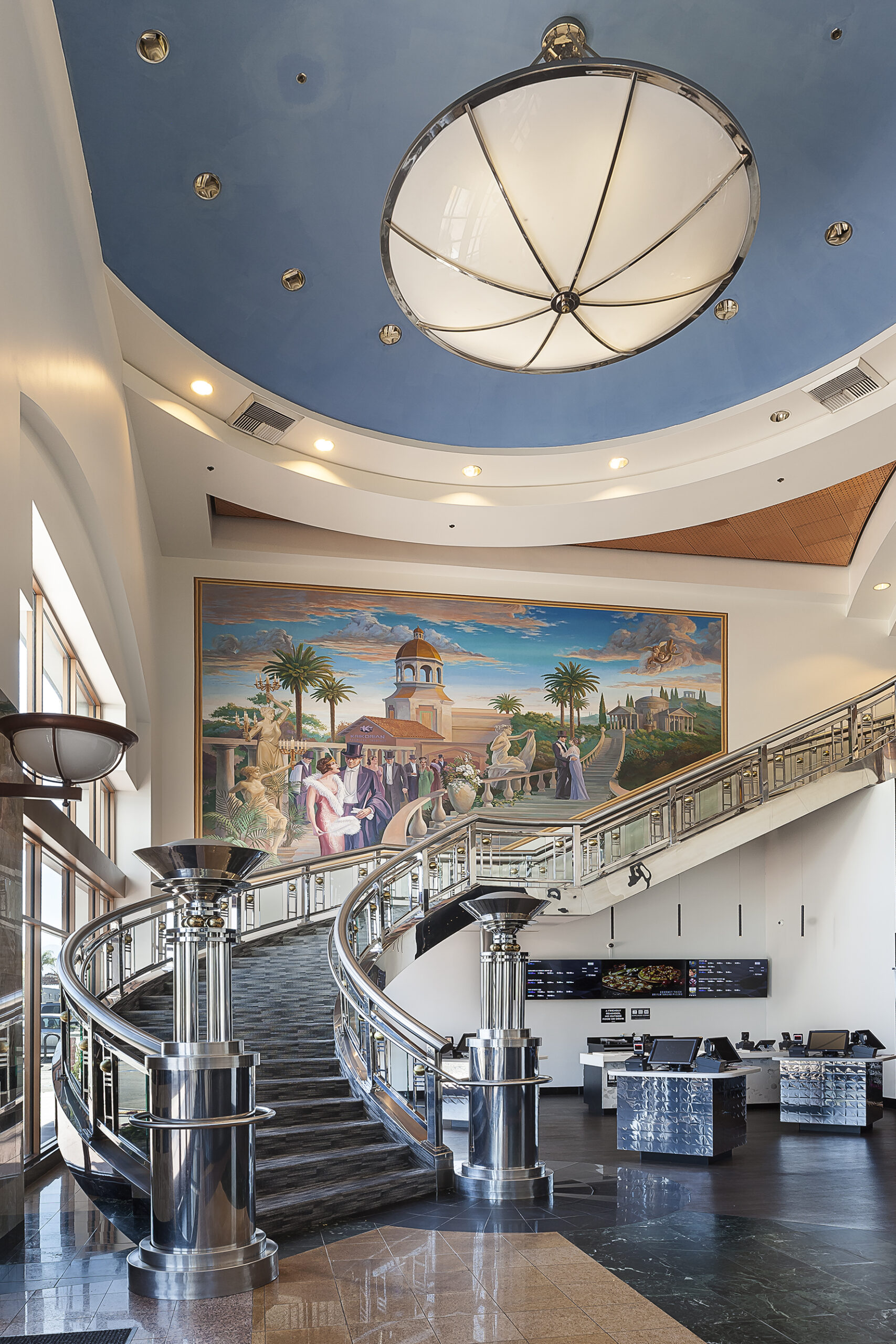
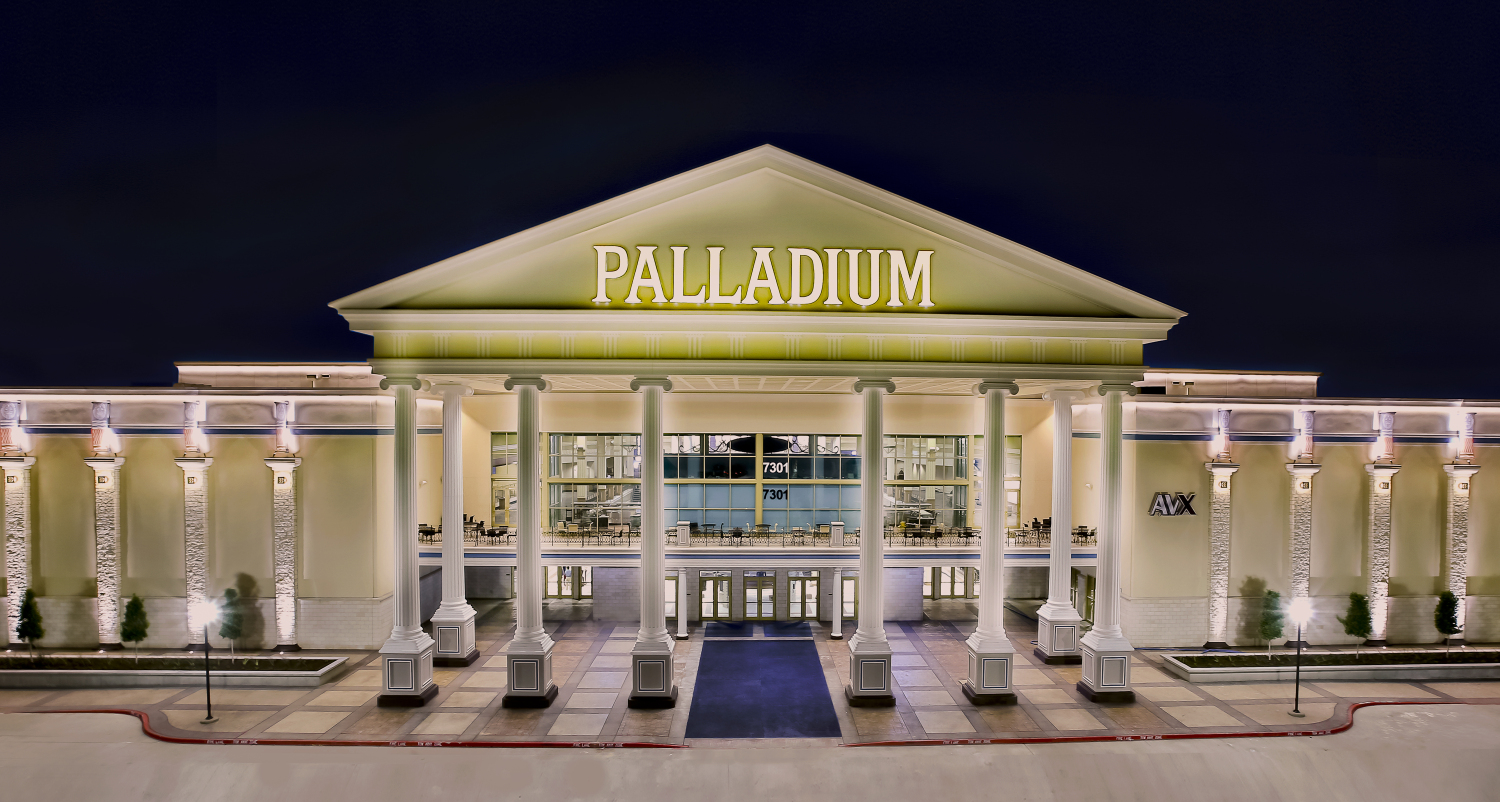
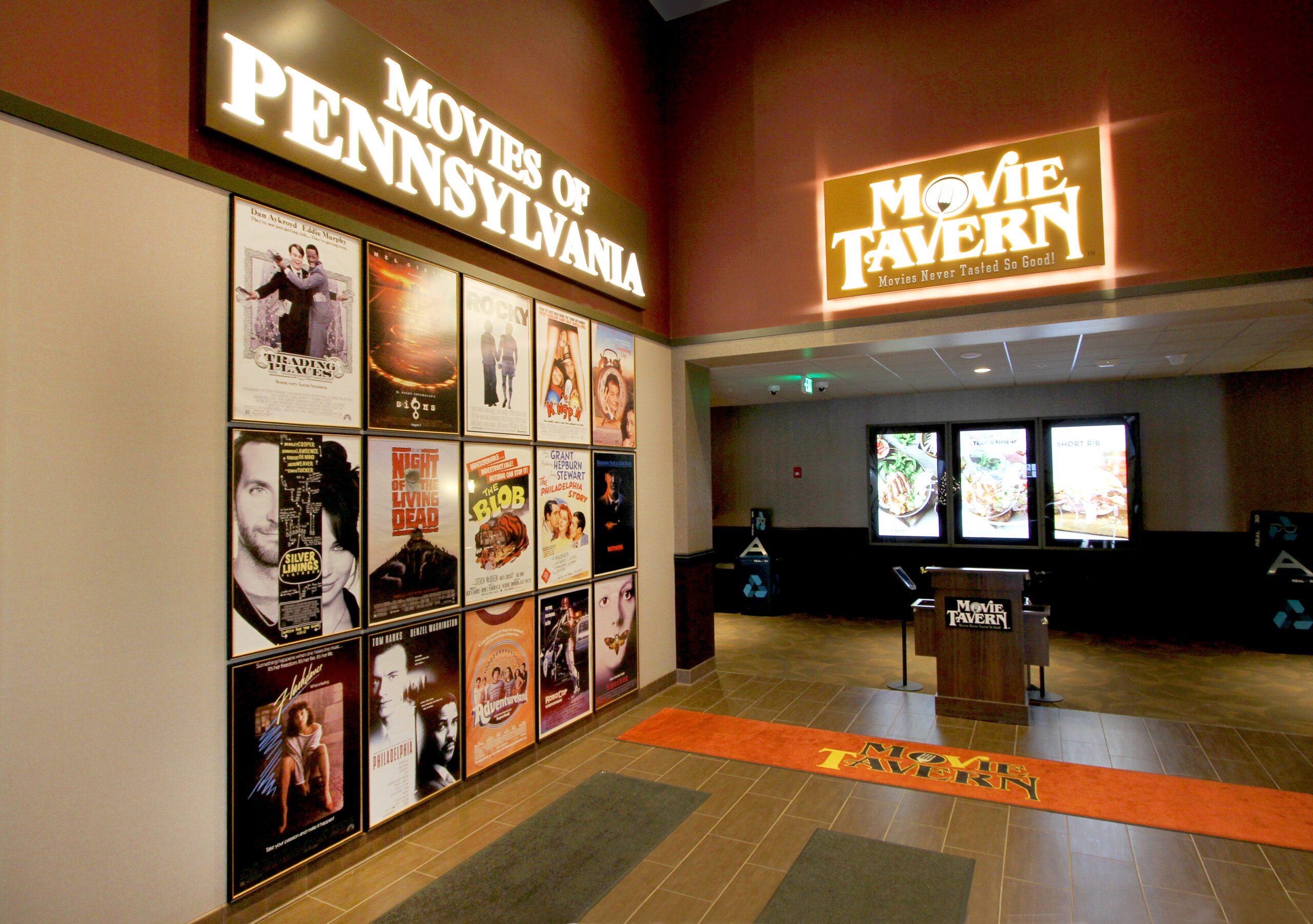
(top left) Studio Movie Grille, Redlands, CA. (top middle) Santikos Palladium, a shrine to John Santikos and his Greek background, (top right) Epic St. Augustine, exterior design inspired by St. Augustine. (bottom) “Movie of Pennsylvania” at Movie Tavern, history of the community.
The designer’s assignment is to provide our clients a clear understanding of the intended overall design experience of being in a specific environment and navigating that environment. How do we translate a vision and concept into an environment?
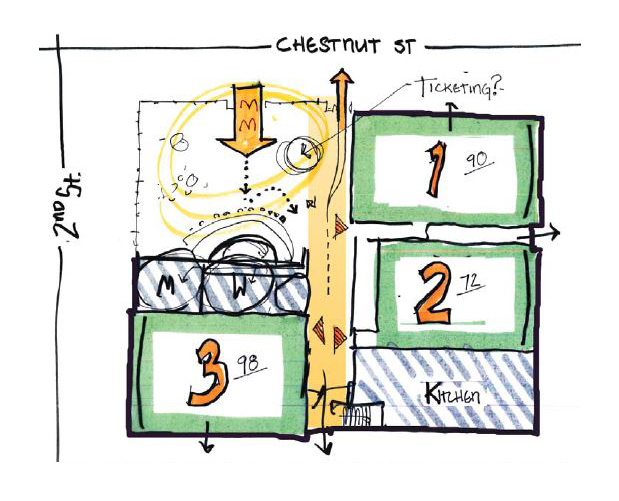
Core to the design process, we may start with one or several brainstorming methods like words and phrases, hand sketching, sticky notes, trace paper, white board, inspirational photos, etc. To visualize initial ideas and to advance/eliminate good and bad ideas, we progress to preliminary plans and elevations that communicate scale and adjacencies. A key detail or motif may be developed that is repeated. A ceiling or light fixture, material, or any other element may become a feature. The progression evolves to 3D modeling to study form, proportion and color. Ultimately, realistic renderings are developed to help our clients understand the experience of the space.
In general, people thrive on the social interaction that public spaces create. We fully expect people to be eager to be together again, out in a thriving public realm. When they return signage and wayfinding will be the tour guide to their experience.
Trends for signage and wayfinding we expect to see include timeless, rather than trendy solutions. For that reason, we see the use of proven traditional materials like stained woods, natural stone, luxury vinyl, painted metals, brick, tile, etc., and pure geometries as a foundation of our design. Traditional materials come in a variety of textures and tend to be more durable and have an attractive appearance. Technology will continue to play a vital role. AI and AR will continue to be more integrated. But the basis of our focus relies on the integration of function, art, storytelling, placemaking, color, materials, lighting, etc. to bring people together, logically move them through designed space and elevate the human experience.
I can be grumpy when I am tired, stressed, hungry, and when things don’t go my way. But there’ssomething inspirational abouta good song, a stunning photo of nature, or a solid, well-thought-out design that pleases a client and provides a reset amid the stresses of the day, even if only for that one moment of pleasing interaction.
Couldn’t we all use a little more of that in our lives?
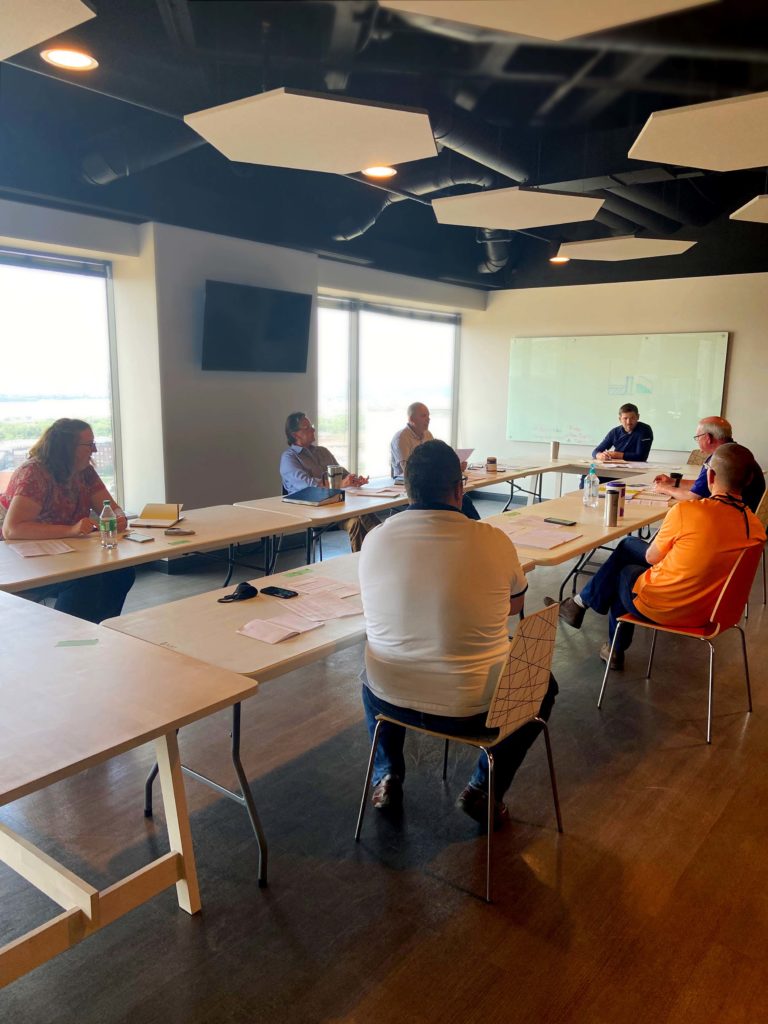
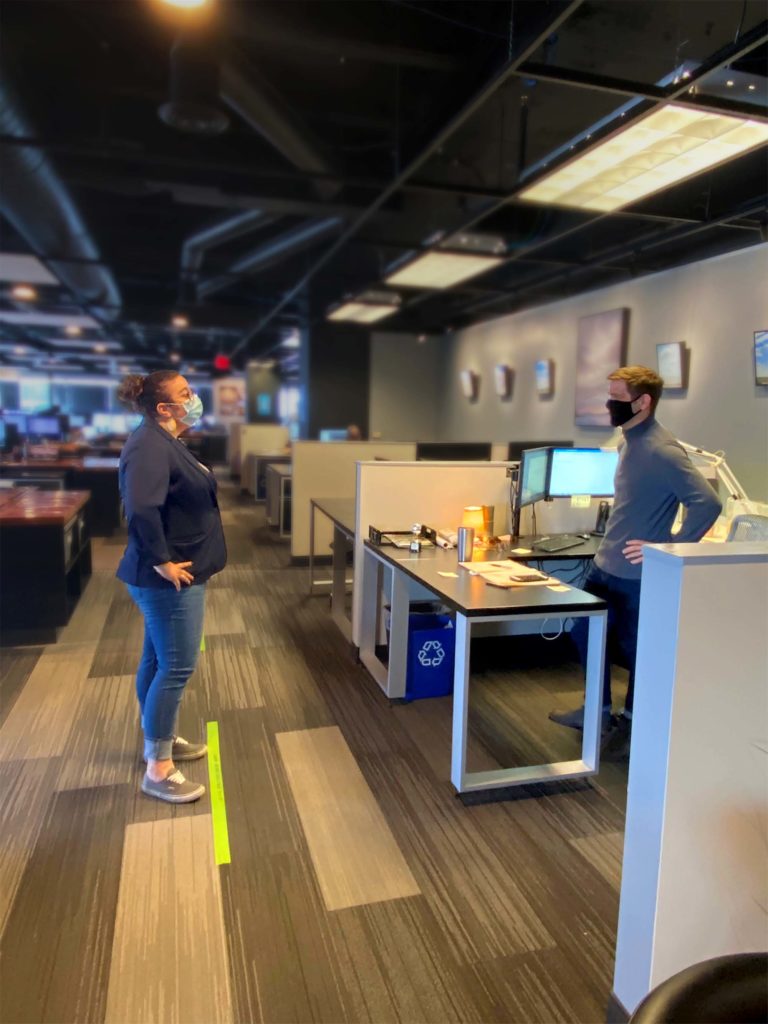
We are now back to work in our office and abiding by CDC guidelines and local governmental declarations. Our workstation layout is already naturally spread out for the 6’-0” social distancing recommendation. Certain rooms get new rules like conference rooms and the kitchen for limited amounts of people, masks, hand sanitizer, and distancing. Our challenge is that we encourage a tight-knit culture built on face to face collaboration. This causes a disruption of the status quo of how an architectural / engineering firm functions. Fortunately, we have elements in place for virtual collaboration; fast internet and cloud-based platforms. The cloud-based tools are real-time collaboration tools where users can add comments and annotations. We rely less on printed drawings and instead can perform digitized sketch design for sharing both in the office and virtually. In all, we have leveraged our technology to work differently and safely.
To help our clients, it is our job to manipulate designs to make the paying customers feel safe and welcome. In these times, the customer’s comfort level extends beyond what is visual. Because of this, the clients are forced to put new programs in place. Technology seems to be the leading charge with more reliance on mobile phones, contactless motion-activated sensors, and the like. As architects, we are committed to safety without sacrificing the experience. For example, how do we adopt technology along with social distancing practices that don’t feel forced? How do we maintain spacing concerns without making people feel isolated or as if they aren’t allowed to have human-to-human contact?
On that note, after a late breakfast on Father’s Day, we packed coolers and went to the neighborhood pool to enjoy the day. When we got to our socially distanced lounge chairs it was like being in a different world, yet a world that was vaguely familiar. Children playing, people drinking, eating, and laughing. It was a wonderful day. But more than that, it confirmed something I have believed during this entire pandemic. The world is not going to change as much as some people think. People want to go out to eat, socialize in bars, travel, conduct business, seek out experiences, etc. In fact, many people will do this the first chance they get. It is such an important part of who we are. The memories we make with family. The connections we make with business colleagues. The much needed breaks we crave. People adapt quickly. Some faster than others, but we adapt together. It has been a devasting time for our industry but my Father’s Day outing gave me much hope that recovery is closer than we may think. Let’s hope so.
– Jack Muffoletto
Founded in 1981, TK Architects is a full-service architectural firm that offers all professional design services in-house to simplify and streamline coordination, including: Architecture, Interior Design, Graphic Design, Structural Engineering, Mechanical, Electrical and Plumbing Engineering. The firm’s focus is entertainment architecture and engineering, including cinema, bowling, bars/lounges, food service and entertainment centers worldwide. TK Architects provides the right services at the right time to meet client’s specific needs, including: New Buildings, Tenant Interiors, Renovations, Facility Upgrades and Maintenance.
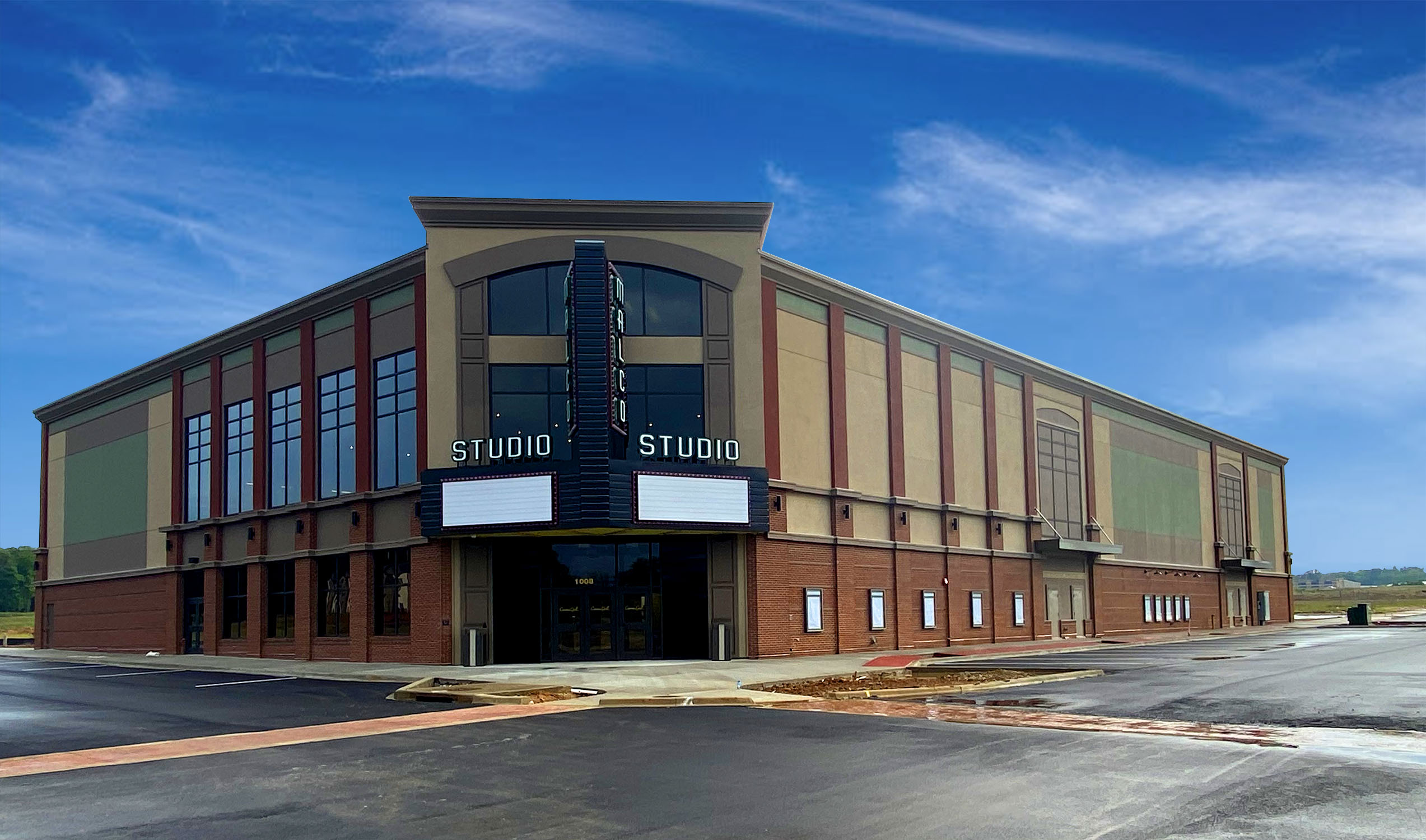
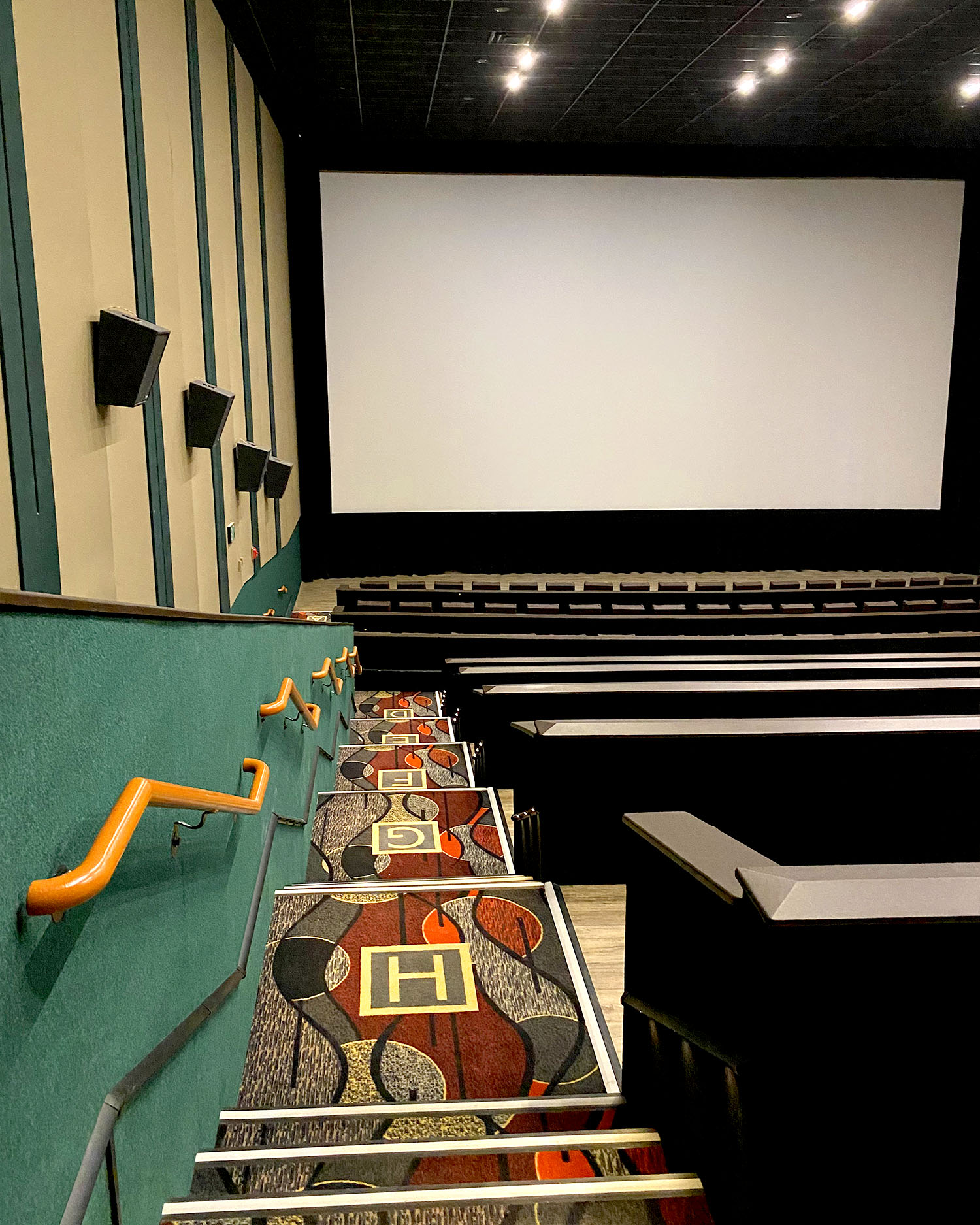
The Malco Studio movie theatre at Greensborough Village in Jonesboro, AR is situated at the most prominent intersection of the new 200-acre mixed-use development. Malco Studio is an 8 screen, reserved seating, recliner cinema with a full kitchen, and at-your-seat service. It will become the anchor entertainment attraction among creative restauranteurs, boutique shops, other niche retail, and multiple residential units.
The cinema has been designed to meet the needs of an entertainment and shopping experience, unlike anything Jonesboro has ever seen. It’s what the market has been asking for.
Founded in 1981, TK Architects is a full-service architectural firm that offers all professional design services in-house to simplify and streamline coordination, including: Architecture, Interior Design, Graphic Design, Structural Engineering, Mechanical, Electrical, and Plumbing Engineering. The firm’s focus is entertainment architecture and engineering, including cinema, bowling, bars/lounges, food service, and entertainment centers worldwide. TK Architects provides the right services at the right time to meet client’s specific needs, including: New Buildings, Tenant Interiors, Renovations, Facility Upgrades, and Maintenance.