fbpx
Category

Blog

Don’t Sweat It: HVAC Maintenance Tips to Cut Cooling Costs This Summer

By | No Comments

June 2025

by Principal Trevor Ruhnke
Beat the Summer Heat For Less With HVAC Maintenance.

As the heat of summer approaches, one thing you should always be able to count on is your air conditioning. No one wants a hot home, and without a comfortable space, your customers might rather stay at home. Whether at home, office, or in business, you should always follow a yearly maintenance schedule for your HVAC system.

Air Quality

HVAC means Heating, Ventilation, Air Conditioning. With winter in the rearview, we now shift focus to the ‘V’ and the ‘AC’. Ventilation is all about air quality, and air quality is determined by filtration. Virtually all air-moving devices have some kind of air filtration. This is used to clean particles from the air stream, be that dust, pollen, smoke, or, with the best filters, bacteria and viruses.

Rooftop units, air handlers, furnaces, and most split-system units have a filter. in some cases, these are washable/reusable types, but in most cases, the filter needs replacement. Each piece of equipment will have a specified filter size and recommended Minimum Efficiency Reporting Value (MERV) rating. Over time, filters will do their job and trap airborne particles, which can lead to clogging the filter and a reduction in airflow.

A clogged air filter can increase energy consumption by extending the equipment’s run time due to reduced airflow. If left unchanged for too long, it may also cause the cooling coil to ice over, leading to system shutdowns and hot spaces. This is why replacement schedule is necessary and often identified in the equipment manual. Typically, a quarterly replacement schedule is recommended. While a helpful starting point, each situation is unique. If, for example, you have multiple shedding pets in your home, or your building has packaged rooftop units in a dry and dusty environment, more frequent replacement could be ideal.

Condensing Coil

The AC part of HVAC is more involved. Whether a rooftop unit or split system condensing unit, almost all AC system have a component located outdoors to reject the heat from the indoor space. Prior to your first heat wave, you should address the outdoor portion of the system. This mostly involves cleaning debris from the coils that have been built up during fall and spring. Leaves will often find their way into or stick to condensing units. These should be removed seasonally to ensure proper operation. Due to the action of the condensing portion, the fan will draw ambient air through a coil to remove heat. Depending on location, the ambient air can include all manner of debris. similar to filtration, over time, the condensing coil can start to get clogged with dust, leaves, bugs, and airborne plant seeds.

Throughout the Midwest, cottonwood trees and willow tree seeds are examples of regionally specific issues that can be seen floating in the air like snow. This ‘summer snow’ can eventually get pulled into the condensing coil and stick. This will, in turn, trap dust in the air and reduce airflow. Like a clogged air filter, a clogged condensing coil will result in less efficient operation and higher energy usage.

Coils come in different shapes, but the most common are finned tubes. These fins are soft and easily damaged. Hail is a common culprit for damage. Bent fins can reduce the heat transfer surface area and inhibit airflow. Coils should be inspected before the summer season to identify any damage. Fin Combs are readily available to help remove the debris and straighten bent fins to ensure the most efficient operation. Lastly, a low-velocity water coil cleaning will help maximize the unit’s efficiency.

Cooling Coil

Like the condensing coil, the cooling coil can become clogged over time as well. The results are similar: less efficient operation, and more energy consumption. In theory the air filtration should remove the majority of particulates from the airstream, but some will inevitably get through. Since the air is treated this could should stay clean for a longer time. However, the configuration of most equipment leads to airflow across this coil in both heating and cooling mode so it’s in operation all year long. While cleaning the indoor could can be a DIY job, the location and difficulty in access may make a professional service tech a better option.

Stay On Schedule

To add it all together, to maximize your HVAC equipment efficiency, minimize energy usage, and help prevent system issues and costly repairs, you should have a yearly HVAC maintenance schedule put together based on manufacturer’s recommendations and local environmental factors. Although most of these items can be DIY, with a large commercial space with a variety of system types it is often better to get a scheduled work contract with a reputable HVAC service provider. If you HVAC has not had the recommended maintenance performed, don’t delay. You can’t beat the summer heat without an efficient AC system.

Principal Trevor Ruhnke
Don’t Dismiss the Box: How to Design It Right the First Time

By | No Comments

May 2025

by Principal Steve Petracek

Thinking outside the box… By Starting with One

The Basic ” box isn’t usually considered good architectural design. It’s commonly associated with warehouses, grocery stores, or home improvement centers — all built for pure function and efficiency. But maybe there’s more to it that that.

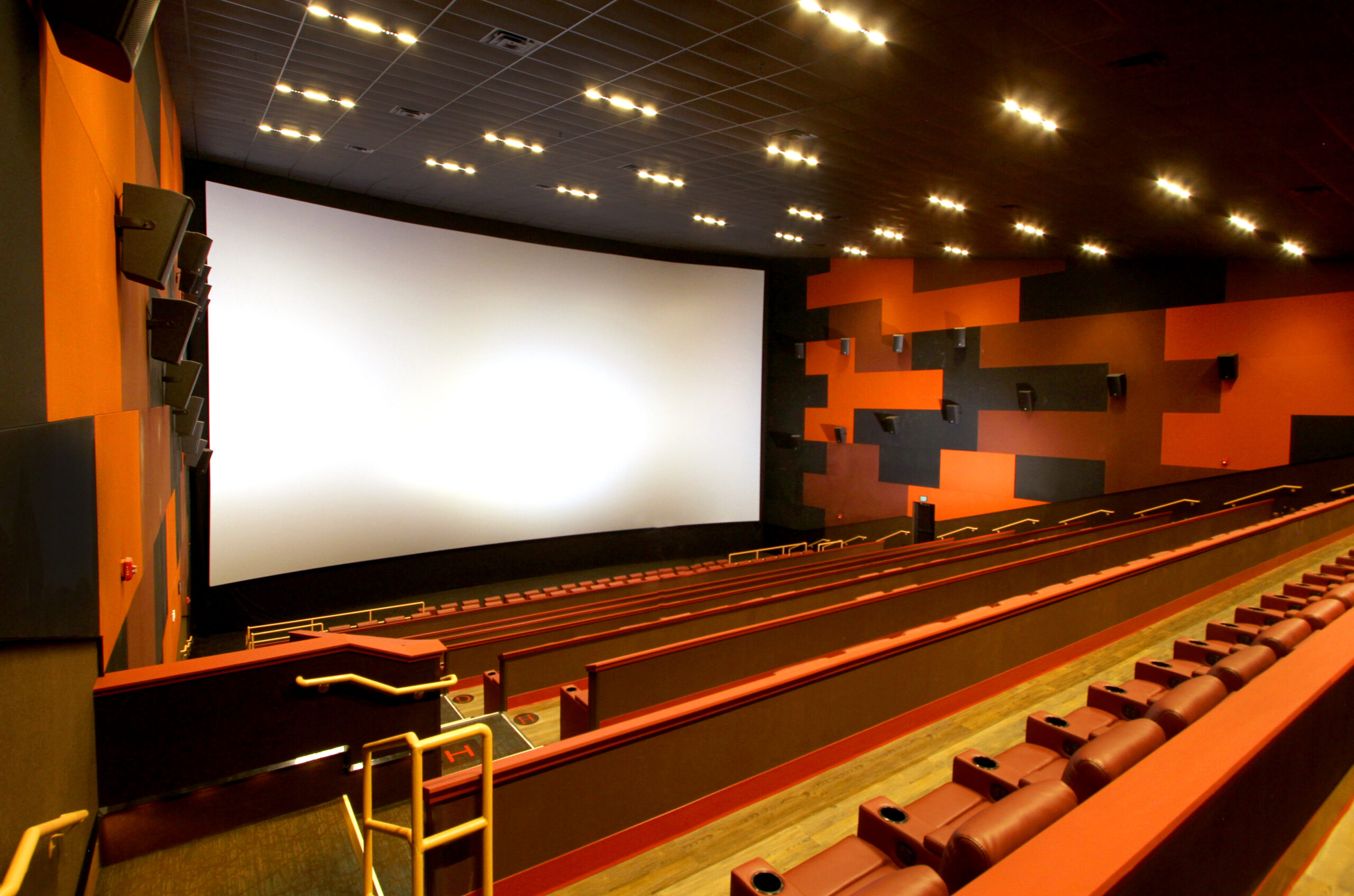

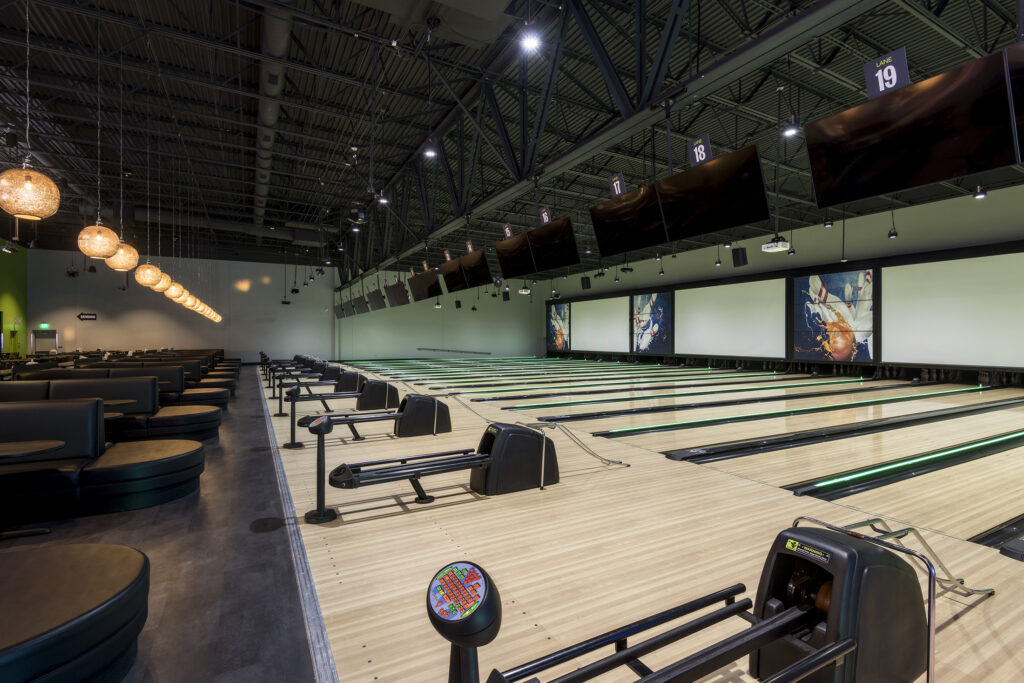
This blog is here to suggest that by rethinking how we approach the box, we can unlock new opportunities — especially when it comes to entertainment renovations and remodels. A few simple structural choices early on can go a long way toward making these spaces more adaptable down the road.

Planning for Possibility, Not Just Purpose

Instead of always letting function dictate the design, what if we allowed form to guide the function? A wide, open space — especially one without columns — gives you the most flexibility. Of course, most buildings still require columns, but they can be positioned intentionally to keep the space open, usable, and easy to adapt.

When the building’s lateral systems (the parts that resist wind or seismic movement) are handled with concrete, CMU, or steel frames placed around the perimeter, you reduce the number of interior obstacles. That means fewer headaches when the space eventually needs to change. We’ve seen plenty of projects where structural demising walls caused major issues — making renovations far more difficult and expensive than they need to be.

The Strength of the Box

Think of the box as a clean, open structure. Add columns only where necessary — just enough to carry the lid. The fewer, the better. These columns can define areas of the space (intentionally or not), so placing them with purpose is important. Once done right, that open plan becomes multifunctional. It can be repurposed, subdivided, or expanded with far less effort.

Elevating the Ordinary

A plain box might not sound attractive, but think or it like building blocks — they don’t all need to be the same size or shape. you can introduce depth and interest by stacking or staggering different volumes. When done thoughtfully , the very systems that hold the structures up —lateral frames, columns, etc. — can become architectural features instead of nuisances.

By placing those elements in key locations (along the exterior or in areas that are less likely to change), the design becomes more resilient. It’s a small move with big long-term benefits.

Design for What’s Next

The truth is, no one wants to design for change — but preparing for it is smart. The more flexibility you build in now, the easier (and more affordable) future upgrades will be.

So yes, let’s think outside the box — but maybe the smartest first step… is starting with one.

Principal Steve Petracek

Protect Your Business This Winter: 7 Facility Maintenance Tips

By | No Comments

February 2025

by Sr. Principal Jack Muffoletto
Before each winter, facility owners should spend time preparing to protect their property and operations from the challenges brought by cold weather, snow, and ice. It’s about safeguarding your assets and minimizing potential risks.

A well-prepared facility can avoid costly repairs and downtime during the winter season. Here are seven tips to help you protect your investments this winter.

1. Inspect and maintain your HVAC system.

A properly functioning heating system is essential to keeping your building, freestanding or not, warm and safe. Schedule a professional inspection of your heating, ventilation, and air conditioning system to ensure it’s in good condition. Regular maintenance will help prevent breakdowns during cold snaps, ensuring your employees and customer stay comfortable and preventing pipes from freezing.
Regularly changing filters improves efficiency and reduces strain on the system.

2. Check on windows, doors, and other openings.

Drafts from unsealed windows and doors can cause significant heat loss, leading to higher energy bills and making it harder to keep your space warm. Use weather stripping, caulking, and insulation to seal these gaps and maintain a consistent indoor temperature.

3. Review your insurance coverage.

Winter weather can bring unexpected challenges, from burst pipes to property damage caused by heavy snow or ice. Before winter hits, review your business insurance policy to ensure it provides adequate coverage for winter-related risks.

4. Prepare plumbing and pipes for freezing temperatures.

Frozen pipes can cause significant water damage if they burst. Insulate any exposed pipes, particularly those in vulnerable areas such as next to an exterior wall. Make sure to disconnect outdoor hoses and shut off exterior faucets.

5. Inspect the roof and gutters.

Heavy snow and ice buildup on the roof can lead to structural damage or leaks. Ensure your roof is in good condition by inspecting it and clearing debris from gutters and downspouts. Clean gutters allow water to flow freely, preventing ice dams that can cause water to back up and seep into building systems.
Schedule regular roof inspections throughout the winter to ensure snow accumulation doesn’t exceed safe levels.

6. Develop a snow and ice removal plan.

Slippery sidewalks, parking lots, and entryways pose a serious hazard for employees and customers. To avoid accidents, establish a reliable snow and ice removal plan that includes salting walkways and clearing parking lots promptly. Ensure that any snow removal contractors are properly insured and review your contract to confirm they meet your safety standards.

7. Check fire and carbon monoxide.

With increased use of heating systems during the winter, the risk of fire and carbon monoxide poisoning rises. Ensure all smoke detectors, carbon monoxide detectors, and fire extinguishers are in working order and comply with local regulations. Regularly test these devices and replace batteries as needed. It’s also a good idea to have an emergency plan that includes evacuation routes and staff training.

Sr. Principal, Jack Muffoletto

How to Build Successful Prototype Designs – Key Codes, Challenges, and Finishes

By | No Comments

October 2024

by Melissa Miller

Building prototype designs can offer numerous advantages for new building programs and franchise opportunities. A well-developed prototype speeds up permitting and construction timelines, reduces professional fees, and streamlines overall project delivery. However, as with all construction projects, challenges still arise from location to location. While we all appreciate the term “prototype,” each site presents unique variables that can impact the architectural design of a building. These differences include city requirements and local codes, site-specific conditions and spacing, availability of interior finishes, and client modifications.

First, let’s explore city requirements and local codes. Part of our initial research for any new project involves identifying the applicable code years. Codes differ by location, and each version can significantly impact a prototype building. For example, allowable building areas can differ. Larger buildings are often subject, to stricter regulations depending on the code year and building type. Altering a building’s construction type can impact numerous factors, including sprinkler system requirements and fire ratings.

Second, the characteristics of a building site can influence what can be constructed. Codes often dictate minimum distances between buildings to maintain fire safety. Ideally, we aim for at least 60 feet between structures. However, in developed areas, we understand that achieving this distance may not always be possible. When this happens, a deeper review of allowable areas and fire ratings is required. This could lead to adjustments in the exterior materials or fireproofing methods to ensure a safe structure. As Trevor mentioned in his last blog, the location of site utilities can impact the building’s plumbing and riser room placement, ultimately affecting the overall floor plan.

Another consideration is city-specific requirements for building appearance. These requirements typically come from planning and zoning departments. Some cities mandate more detailed façades to help new buildings blend with existing surroundings. Additionally, signage regulations—such as limitations on square footage, colors, and lighting—often vary by location and must be considered.

Lastly, interior finishes are another factor to keep in mind. While a consistent selection of finishes across all locations may be preferred (such as a particular tile for restrooms or carpet for lobbies), the availability of these materials can change over time. If a project has an extended design or construction timeline, certain finishes might be discontinued. Although this is less critical than fire ratings, it still requires attention and flexibility during the prototype process.

While the word ‘prototype’ is widely used in the architectural industry, achieving a truly prototypical building involves considering a variety of factors. At TK, we’re here to guide you through the process and help you create the building that fits your vision and site-specific needs.

If you haven’t already, we invite you to explore our previous blogs on prototype design, where we dive deeper into the intricacies of creating efficient and scalable buildings. If you have questions or would like to discuss your upcoming project, please reach out! We’d love to talk to you.

Principal, Melissa Miller

Optimize Site Adapted Prototypes for Efficient and Compliant Design

By | No Comments

July 2024

by Steve Petracek

Site Adapted Prototypes

On the design side of a project, everyone loves a prototype. Okay, maybe not everyone, but making a project or its details can be prototypical, the more efficiently a project can be designed. However, adapting a prototype to a specific site requires careful consideration. Questions may include: How does the building integrate with the site’s layout? How do planning, zoning, and energy codes influence both aesthetics and functionality? And where are the utilities situated, considering they often don’t align with the optimal building corners?

On the structural side of the project, The main elements affecting structural design at any site are variable loadings: snow, wind, and seismic forces. Foundations can vary as much as the loading types, each presenting unique challenges. The complexity of foundation design increases with soil types like clay, silt, sand, or any combination thereof, not to mention site leveling and frost depth. In conclusion, addressing these variables with a well-adapted prototype ensures structural integrity and cost-efficiency.

Snow

Snow is effectively a variable live load, and while many of us enjoy it, it can significantly impact a structure’s design. For reference, a standard roof live load is 20 pounds per square foot (PSF) across the country. In regions like Florida, southern Texas, and southern California, there is no snow loading. However, places like Maine and Alaska can experience ground snow loads of up to 100 PSF. Site-specific locations in mountainous regions, such as Colorado and Idaho, can have localized loads well over 100 PSF. Consulting the building official in these areas is highly recommended but not always sufficient. Building officials often suggest contacting local fabricators to determine the typical design load used in the region.

Wind

Wind pressure can be applied as a broad loading, or in other words, one design covers a significant area of the country. Almost everywhere in the country, anytime you step outside, you can feel a breeze. For wind to be considered severe in the US, it must reach a speed of 58 mph with most storms only reaching 39 to 46 mph per the National Oceanographic and Atmospheric Administration (NOAA). Therefore, one design may be able to cover 90% of the prototype locations. Unless the project is in a hurricane zone, the code wind speed in the US is predominately 115 mph or less for a Risk Category II structure. For a Risk Category III, the wind speed jumps to 122 mph, well above all but the most severe cases.

Seismic

Location is significant in seismic design, with forces determined by the structure’s weight. Plate tectonics and the Ring of Fire in the Pacific significantly affect the west coast and Alaska. But one can’t forget the Madrid fault in southeast Missouri that in 1811 it shook and was felt in Hartford, CT and Charleston, SC.  The lighter the structure, the smaller the seismic force. For most lightweight structures built with wood or cold-formed steel framing, 90% of the designs are completed with a single approach since the structure is relatively light. However, some variations make seismic design unique at each site compared to wind. Beyond the previously mentioned weight concern and building height, framing type plays a significant role in the design effort. Concrete shear walls, moment frames, and braced frames are in a long list of framing options that require different levels of detail, depending on the maximum considered earthquake. And then there is the soil type unique to each site that plays a significant role. Solid or soft, each one resists the load in a different way.

Geotechnical

Geotechnical information varies significantly across the United States, impacting building costs. To break this variation down, I will address them as two foundation types: shallow and deep. Shallow foundations are the typical spread footings located approximately in the upper 10′ of the soil. Deep foundations are some version of piers or piles and extend deeper than 10′. Depending on the structure’s mass, a conservative value for spread footings that work in most places may add avoidable additional costs.

An assumed bearing pressure of 1,500 psf compared to an actual bearing pressure of 2,000 psf could reduce the footing size and material costs by 25%. The nice thing about spread footings is that an adjustment to them can be made easily and quickly, depending on the complexity of the foundation system. 

There is no point in making the effort for deep foundations to create a prototype design. There are too many variables. Better results will be achieved by designing deep foundations on individual projects.

Grouping

For a prototype design, the larger the grouping, the quicker the updates or design adjustments can be made. Of course, the design envelope size will vary, depending on the framing material and type. Structural steel and concrete typically have extra capacities based on code minimum or functional requirements. For example, an HSS2x2 post may work, but an HSS4x4 is used because of the connection preferences. Cold-formed steel and wood are typically not loaded to their maximum capacities, and higher loads can be applied to allow for a larger design window. 

With all this said, prototype design can be very efficient for a client and a time saver for the designer. There will always be a design element in every project, but if the layout and framing of a structure don’t change, design effort is reduced, saving time and money.

The body having jurisdiction has the final say. Each municipality is different, and many have unique requirements, so even with the best planning, changes could still be possible.

Conclusion

Adapting prototypes to specific sites involves a careful balance of design efficiency and compliance with local codes and environmental conditions. By understanding the impact of site layout, planning, zoning, and structural variables such as snow, wind, and seismic loadings, architects and engineers can create designs that are both functional and cost-effective. Effective communication with local building officials and fabricators is crucial to ensure that the design loads and foundation requirements are accurately addressed.

Ready to optimize your next project with site-adapted prototypes? Contact our team of experts today to ensure your design meets all site-specific requirements efficiently and effectively. Let’s bring your vision to life!

Steve Petracek, Principal